
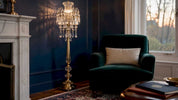
Discover the best crystal floor lamp varieties to enhance your home decor. Explore styles, crystal types, and design tips to elevate your space.
TL;DR:
- Crystal floor lamps serve as both functional light sources and decorative sculptures with refined crystal and metal finishes. Traditional styles feature ornate designs with crystal drops, while modern and transitional styles emphasize geometric shapes and versatile frames, fitting diverse interiors. Proper crystal quality, stable bases, and calibrated bulb choices enhance durability, safety, and aesthetic appeal.
Crystal floor lamps are defined as freestanding lighting fixtures that incorporate cut crystal elements, either as shades, pendants, or decorative accents, to scatter and amplify light across a room. The best crystal floor lamp varieties serve two roles at once: they function as genuine light sources and as sculptural decor that commands attention. Common crystal types include K9 optical glass and Swarovski crystal, each offering distinct levels of brilliance and refraction. Metal finishes range from polished chrome to brushed brass, and the combination of crystal type with frame finish determines the entire personality of the lamp.
1. Traditional crystal floor lamps with ornate metalwork
Traditional styles are the most recognized among decorative crystal lamps. They feature ornate brass or bronze frames with heavily cut crystal drops, bobeches, and prisms arranged in chandelier-like formations. Design experts note that crystal lamps in this category function as vertical sculptures, not just light fixtures. That sculptural quality is what makes them the centerpiece of formal living rooms, entryways, and dining spaces.
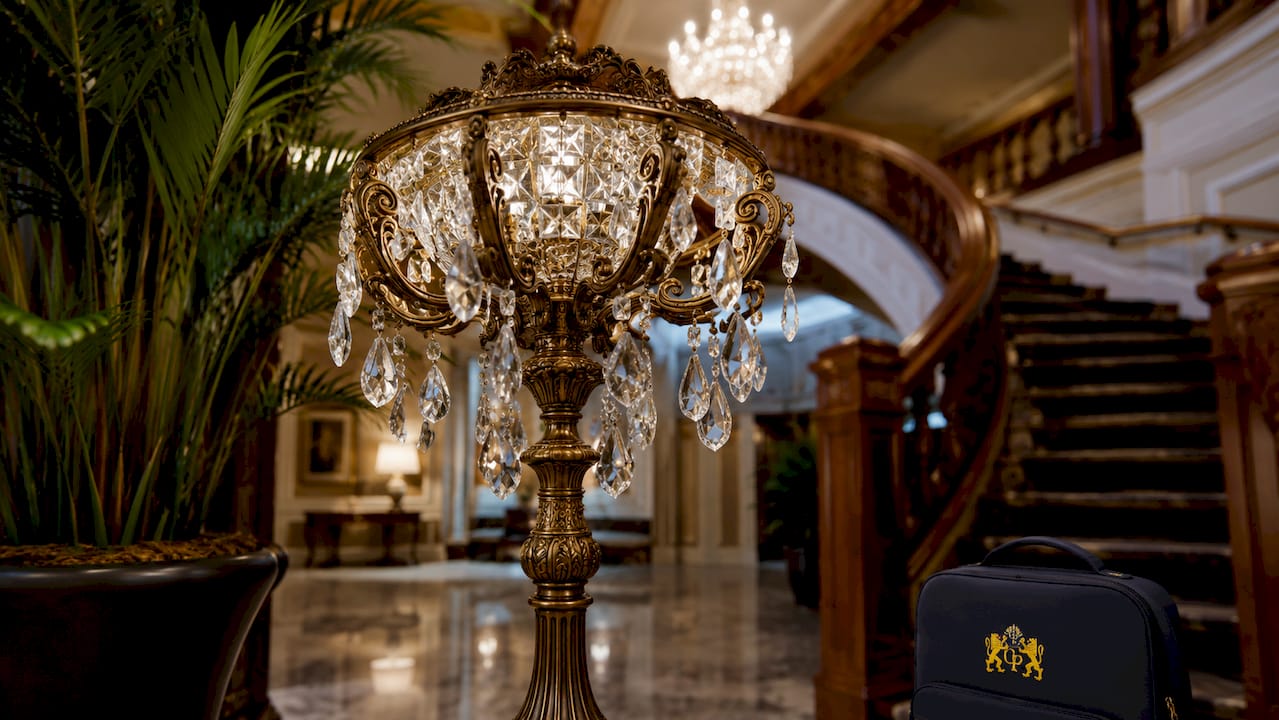
The crystal cuts used in traditional styles tend toward classic shapes: teardrop, octagon, and almond prisms. These cuts maximize refraction, throwing rainbow patterns across walls when light passes through them. Brass and bronze frames age gracefully and pair well with warm color palettes, dark wood furniture, and velvet upholstery.
Pro Tip: Place a traditional crystal floor lamp in a corner with a light-colored wall behind it. The wall acts as a canvas for the refracted light patterns, amplifying the visual effect dramatically.
2. Modern crystal lamp styles with geometric arrangements
Modern crystal floor lamps strip away ornamentation and replace it with geometry. Frames are typically polished chrome or brushed nickel, and the crystal elements, whether rods, spheres, or flat panels, are arranged in precise, repeating patterns. Brushed brass and gold finishes suit warm, earthy interiors, while polished silver and matte black align with contemporary minimalist spaces. That rule applies directly to modern crystal lamps: the finish choice either reinforces or disrupts the room’s visual tone.
Modern styles work best in open-plan spaces, home offices, and rooms with clean-lined furniture. The geometric crystal arrangements still scatter light effectively, but the overall effect is cooler and more restrained than traditional designs.
3. Transitional crystal lamp designs that blend eras
Transitional crystal floor lamps occupy the space between traditional and modern. They typically use a streamlined metal frame, often in a warm silver or antique nickel finish, paired with classic crystal drops or beaded strands. The result reads as elegant without feeling dated. Homeowners who want crystal’s visual richness without committing to a fully traditional room find transitional designs the most flexible option.
These lamps work across a wide range of interiors, from updated farmhouse rooms to mid-century modern spaces. The key is that the crystal elements remain recognizable as crystal, while the frame keeps the overall silhouette contemporary.
4. Arched crystal floor lamps and how shape affects light
Lamp silhouette directly controls where light lands in a room. Straight-pole lamps distribute light evenly around their base, making them ideal for reading corners and beside sofas. Arched lamps extend outward, positioning the light source above a seating area or coffee table without requiring a side table for support. Multi-arm crystal lamps distribute light broadly while serving as decor, creating dynamic, inviting atmospheres.
The arch shape introduces a visual curve that softens rooms dominated by straight lines and rectangular furniture. Scale matters here. A tall arch in a low-ceilinged room feels oppressive, while the same lamp in a room with 10-foot ceilings looks proportional and dramatic. Standard floor lamp heights range from 58 to 68 inches, and arched models often exceed that at the apex of the curve. Measure your ceiling clearance before purchasing.
- Straight-pole lamps: Best for task lighting and tight spaces
- Arched lamps: Ideal for illuminating seating areas from above
- Multi-arm designs: Spread light across larger zones while adding visual complexity
- Tripod-base lamps: Offer stability and an architectural quality suited to eclectic rooms
5. Crystal quality, base material, and stability
Crystal quality separates a lamp that dazzles from one that merely glitters. K9 crystal, a high-lead-content optical glass, produces strong refraction and is widely used in mid-range decorative lamps. Swarovski crystal, which Crystalplace sources directly from the brand, delivers superior clarity and a more consistent cut. Understanding different crystal types helps you evaluate whether a lamp’s sparkle will hold up over years of use or fade as the coating wears.
Base material determines both safety and longevity. Heavy-duty steel or marble bases prevent tipping, which is the most common structural failure in arched and top-heavy crystal lamps. A lamp with a light plastic base and a heavy crystal shade is a hazard, especially in homes with pets or children. Marble bases add visual weight that grounds the fixture and complements both traditional and transitional styles.
- Check the base weight before purchasing. Lift the lamp if possible, or check the product weight specification.
- Look for bases made from marble, cast iron, or heavy-gauge steel.
- Avoid lamps where the shade accounts for more than half the total fixture weight without a counterbalanced base.
- Verify that the pole-to-base connection uses a threaded or bolted joint, not a friction fit.
Pro Tip: For arched crystal floor lamps, counterweight base design is non-negotiable in homes with pets or young children. A carefully engineered counterweight keeps the lamp stable despite the high-reaching curve.
6. Bulb compatibility and color temperature for crystal lamps
Bulb choice shapes how crystal performs. Most crystal floor lamps use E26 standard or E12 candelabra bases, both of which accept LED bulbs. LED bulbs are the correct choice for crystal fixtures because they run cooler than incandescent bulbs, reducing heat stress on crystal adhesives and metal fittings. They also last significantly longer, which matters when the bulb sits inside a complex crystal arrangement that requires partial disassembly to access.
Color temperature determines the mood the lamp creates. Warm tones of 2700K to 3000K produce a cozy, amber-tinted glow that flatters crystal and suits living rooms and bedrooms. Task-focused spaces like reading nooks benefit from 3500K to 4000K, which delivers cleaner, whiter light. Amber-tinted crystal shades naturally filter blue light, adding warmth even when the bulb itself runs slightly cooler.
| Bulb Base | Common Use | Recommended Bulb Type |
|---|---|---|
| E26 (standard) | Main shade socket | LED A19 or globe |
| E12 (candelabra) | Multi-arm accent sockets | LED candelabra |
| Smart bulb compatible | Dimmable crystal lamps | Tunable white LED |
- Clean crystal elements every 3–6 months with a dry microfiber cloth or a crystal-safe cleaning solution to maintain maximum light refraction.
- Replace bulbs before they burn out completely to avoid heat buildup from a failing filament.
- Use a dimmer switch when the lamp’s socket rating allows it. Dimming extends bulb life and gives you full control over ambiance.
7. Matching crystal floor lamps to your interior design style
The right lamp reinforces the room’s existing design language. Traditional interiors with crown molding, antique furniture, and rich textiles call for ornate crystal lamps with brass or bronze frames. Modern rooms with flat-front cabinetry, concrete surfaces, and neutral palettes pair best with geometric crystal designs on chrome or matte black frames. Eclectic rooms have the most freedom: a bold crystal lamp with an unusual silhouette can serve as the room’s defining focal point.
Layering different lamp styles optimizes room lighting balance and adds dynamic visual interest. A crystal floor lamp paired with a recessed ceiling fixture and a table lamp creates three distinct light levels, which interior designers call layered lighting. That layering eliminates the flat, shadowless quality that a single overhead light produces. Crystal lamps contribute most effectively to the ambient and accent layers, where their light-scattering properties have the greatest visual impact.
- Traditional rooms: Ornate brass frames, teardrop and almond crystal cuts
- Modern rooms: Chrome or nickel frames, geometric crystal rods or spheres
- Transitional rooms: Streamlined frames with classic crystal drops
- Eclectic rooms: Statement silhouettes with mixed crystal shapes and finishes
Sizing is the detail most homeowners overlook. A lamp that reaches 65 inches in a room with 8-foot ceilings will feel proportional. The same lamp in a room with 12-foot ceilings will look undersized. Match lamp height to ceiling height, and position the lamp so the shade sits at or slightly above eye level when you are seated.
Key takeaways
The most effective crystal floor lamp combines the right crystal quality, a stable base, and a style that matches your room’s existing design language.
| Point | Details |
|---|---|
| Crystal quality matters | K9 and Swarovski crystal differ in clarity and refraction; choose based on budget and desired brilliance. |
| Base stability is non-negotiable | Marble or heavy-gauge steel bases prevent tipping, especially in arched and top-heavy designs. |
| Bulb choice shapes the effect | LED bulbs in E26 or E12 bases at 2700K–3000K deliver the warmest, most flattering crystal glow. |
| Style must match the room | Traditional, modern, and transitional lamps each suit specific decor languages; mismatching disrupts visual flow. |
| Layered lighting wins | Pairing a crystal floor lamp with ceiling and table fixtures creates depth that a single light source cannot. |
What I’ve learned from years of watching crystal lamps transform rooms
The most common mistake I see homeowners make is buying a crystal floor lamp for its looks in a showroom photo, then placing it in a room where the scale is completely wrong. A lamp that photographs beautifully at 72 inches tall in a staged loft looks awkward and cramped in a standard 8-foot-ceiling bedroom. Scale is the first decision, not the last.
The second thing I’ve noticed is that crystal quality reveals itself over time, not at the moment of purchase. A K9 crystal lamp looks impressive on day one. After two years of light exposure and occasional cleaning, the difference between K9 and genuine Swarovski crystal becomes obvious. Swarovski holds its cut precision and surface clarity longer because the manufacturing tolerances are tighter. If you are buying a lamp you intend to keep for a decade, the quality investment pays off.
The trend I find most interesting right now is the move toward amber-tinted crystal shades in otherwise modern rooms. Designers are using them specifically because amber glass filters blue light, which improves eye comfort in evening spaces. That is a functional argument for a decorative choice, and it reflects a broader shift toward lighting that serves wellness, not just aesthetics. Crystal lamps are uniquely positioned to deliver both.
— BCC
Crystal lighting and accessories at Crystalplace
Crystalplace has specialized in authentic crystal products since 1992, sourcing directly from Swarovski and other verified crystal brands. The selection covers everything from complete crystal floor lamp accessories to individual crystal prisms and pendants that let you customize or restore existing fixtures. Free shipping applies to orders over $22 within the USA.
Homeowners who want to upgrade an existing lamp rather than replace it entirely will find crystal finials, beaded strands, and replacement prisms that work across a wide range of frame styles. For those building a new lighting scheme, Crystalplace offers crystal interior lighting guidance alongside its product catalog, making it straightforward to match crystal elements to your room’s specific design needs.
FAQ
What are the main types of crystal floor lamps?
The main types are traditional ornate lamps with brass or bronze frames, modern geometric lamps with chrome or nickel frames, transitional lamps that blend both styles, and arched or multi-arm designs that extend light over seating areas.
What crystal quality should I look for in a floor lamp?
K9 optical glass is the standard for mid-range lamps and produces strong refraction. Swarovski crystal delivers superior clarity and holds its precision longer, making it the better choice for a long-term investment.
What bulb base fits most crystal floor lamps?
Most crystal floor lamps use E26 standard or E12 candelabra bases. LED bulbs are the best fit because they run cooler, last longer, and reduce heat stress on crystal adhesives and metal fittings.
What color temperature works best for a crystal floor lamp?
A color temperature of 2700K to 3000K produces warm, flattering light that suits living rooms and bedrooms. Task-focused spaces benefit from 3500K to 4000K for cleaner, brighter illumination.
How do I keep a crystal floor lamp stable?
Choose a lamp with a marble or heavy-gauge steel base. For arched designs, a counterweight base is the most reliable way to prevent tipping, particularly in homes with pets or children.
Recommended
- Transitional Style Crystal Fixtures: A Homeowner’s Guide – CrystalPlace
- Add Sparkle to Your Lamps with Crystal Lamp Finials – CrystalPlace
- Upgrade Your lamp with the Most Luxurious Crystal Lamp Finials – CrystalPlace
- Crystal Finial Uses: A Home Decorator’s 2026 Guide – CrystalPlace