

Discover essential crystal repair tips to restore your precious items at home. Learn to identify materials for effective repairs and save money!
TL;DR:
- Identifying your crystal type is essential before attempting any repair, as acrylic, mineral glass, and sapphire respond differently to tools and techniques. Proper assessment of damage severity using side-lighting helps determine whether light polishing or professional replacement is necessary, especially for cracks or deep chips. For minor scratches on acrylic, DIY polishing with appropriate compounds suffices, while chips require UV glue reattachment, and harder materials like sapphire demand professional service. Regular maintenance and inspection can prevent costly repairs and preserve the brilliance of your crystal decor.
Crystal repair is the process of restoring damaged crystal items through polishing, adhesive bonding, and part replacement. Whether you own a Swarovski chandelier, decorative prisms, or heirloom crystal decor, knowing the right crystal repair tips saves you money and preserves pieces you love. The key variable in every repair is the crystal type. Acrylic, mineral glass, and sapphire each respond differently to the same tools and techniques. Get the material wrong and you risk turning a scratch into permanent damage.
1. How to identify your crystal type before any repair
The single most important crystal repair tip is this: identify your material before you touch it with any abrasive or adhesive. Applying the wrong compound to the wrong crystal causes irreversible damage.
The three most common crystal types in household decor and collectibles are acrylic (also called plastic crystal), mineral glass, and sapphire crystal. Each has distinct physical properties.
- Acrylic feels warm to the touch, scratches easily with a fingernail, and produces a dull thud when tapped. It is the most DIY-friendly material.
- Mineral glass feels cold, is harder than acrylic, and produces a light ring when tapped. It resists minor scratches better but chips more easily.
- Sapphire crystal is the hardest of the three. It produces a clear, high-pitched ring when tapped and resists almost all scratching from everyday contact.
Understanding the difference between glass and crystal helps you match the right repair method to your specific piece.
Pro Tip: Before assuming a scratch is real, wipe the surface with 70% isopropyl alcohol. Many marks that look like scratches are actually residue mimicking damage, such as dried wax or coating buildup. If the mark disappears, no repair is needed.
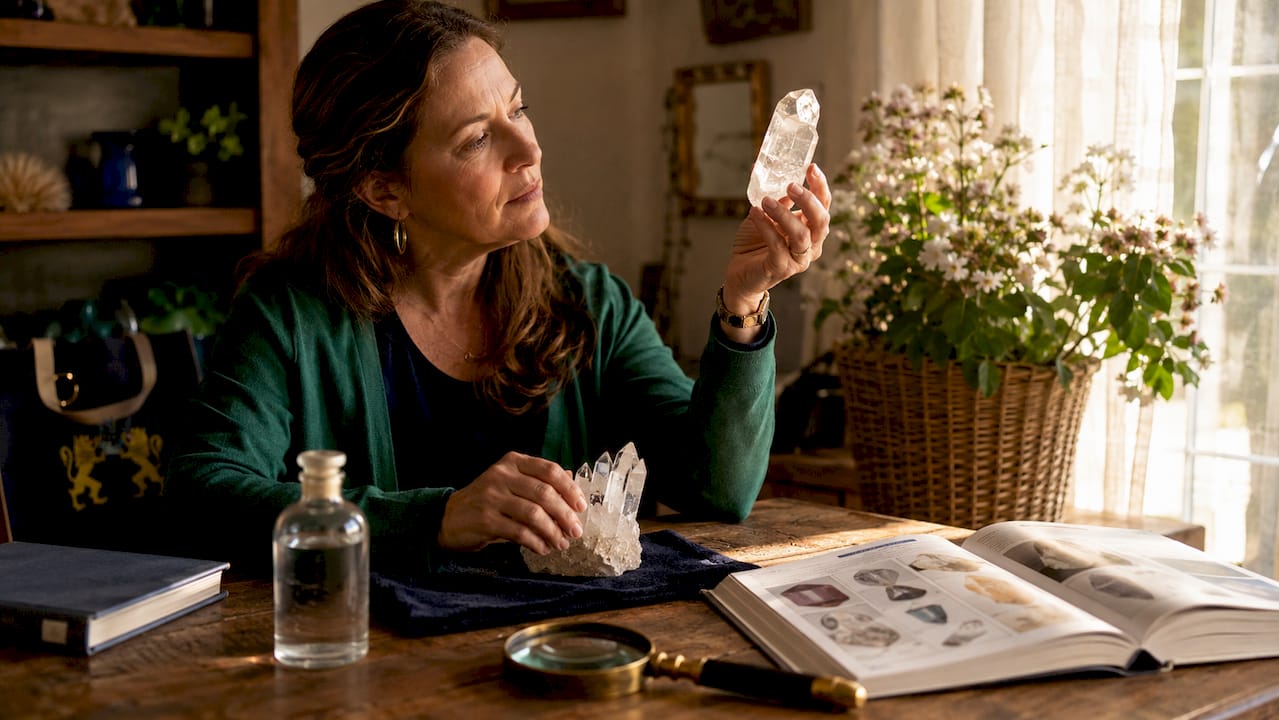
2. Assess the damage severity honestly
Not every blemish needs a repair kit. Damage on crystal falls into four categories: surface residue, light scratches, deep scratches or chips, and cracks.
Surface residue wipes away with isopropyl alcohol. Light scratches sit in the top layer of the material and respond well to polishing compounds on acrylic. Deep scratches cut through multiple layers and require more aggressive abrasives or professional attention. Cracks compromise structural integrity and usually mean the piece needs replacement, not repair.
Hold the crystal under a single light source at a low angle. Side-lighting reveals the true depth and direction of damage far better than overhead light. If the scratch catches your fingernail, it is deep enough to require a polishing compound. If your nail glides over it, a light polish will likely handle it.
3. Polish light scratches on acrylic crystal
Acrylic crystal is the most forgiving material for DIY repair. Products like Polywatch and graded diamond pastes remove light scratches reliably at home. Acrylic polishes well at home, while mineral glass and sapphire require professional tools to avoid micro-scratches.
Follow these steps for acrylic polishing:
- Clean the surface with a soft, lint-free cloth and isopropyl alcohol.
- Apply a small amount of Polywatch or a 3-micron diamond paste to the scratch.
- Rub in small circular motions with a cotton pad or microfiber cloth.
- Work in 30-second cycles, then inspect under side-light between each pass.
- Progress to a finer grit (1-micron or 0.5-micron) once the scratch fades.
- Finish with a clean polishing cloth to restore surface clarity.
The full scratch removal process typically takes 30–60 minutes, with each grit stage requiring 5–15 minutes of careful buffing. Patience matters more than pressure here.
Pro Tip: Polishing a curved or domed crystal requires extra care. Over-polishing can flatten the surface curvature and permanently distort the optical quality. Use short cycles and inspect frequently under side-light to preserve the original shape.
4. Use UV glue for chip reattachment
Small chips on crystal decor, prisms, or pendants can often be reattached cleanly with UV-curing adhesive. UV glue dries clear and creates a strong, long-lasting bond on crystal glass. It has been used successfully in decorative crystal repair for over 15 years.
Clean both surfaces with isopropyl alcohol before applying any adhesive. Apply the smallest possible amount of UV glue to one surface, press the chip firmly into place, and hold it steady for 60 seconds. Then expose the bond to direct sunlight or a UV lamp for 2–3 minutes to cure fully.
Avoid standard super glue or epoxy on crystal. These adhesives yellow over time, cloud the surface, and are nearly impossible to remove cleanly. UV glue is the correct tool for this job.
5. Know the limits of DIY on mineral glass and sapphire
Mineral glass and sapphire crystal are not suitable for standard DIY polishing. Consumer-grade abrasives scratch mineral glass unevenly and do almost nothing to sapphire. Attempting to polish sapphire at home with Polywatch or diamond paste wastes time and risks damaging the surface further.
For mineral glass with light scratches, a jeweler’s rouge or cerium oxide compound applied by a professional polishing wheel can restore clarity. For sapphire, the only effective option is professional lapping equipment. Attempting to press-fit a replacement sapphire crystal at home also carries real risk. Improper DIY pressing risks shattering the crystal or creating an uneven seat that compromises water resistance.
If your crystal item is made from mineral glass or sapphire and shows visible damage, professional repair is the correct path.
6. When to call a professional repair service
Professional crystal repair makes sense in three clear scenarios: the material is mineral glass or sapphire, the piece has significant monetary or sentimental value, or the damage involves structural integrity.
Professional labor for crystal replacement typically costs $30–$50, with gasket parts under $5. That cost is worth it for any piece valued over $200, where a DIY mistake could destroy the item entirely.
Key signs you need a professional:
- The crystal has a deep crack running through the body
- The piece requires disassembly of a sealed or water-resistant housing
- The damage is on a sapphire or high-grade mineral glass surface
- Previous DIY attempts have made the damage worse
Finding a quality repair professional is straightforward. Look for jewelers or watch repair shops that list crystal replacement as a specific service. Ask whether they replace gaskets as part of the process. Gasket replacement is mandatory during any crystal swap because reusing an old gasket risks seal failure. A shop that skips this step is cutting corners.
For decorative crystal items like chandeliers and prisms, Crystalplace offers dedicated crystal repair services designed specifically for restoring fixture brilliance.
7. Compare DIY vs. professional repair by material and damage type
Choosing the right repair path depends on your crystal type, damage severity, and budget. This table gives you a direct comparison.
| Method | Best for | Skill needed | Typical cost | Risk level |
|---|---|---|---|---|
| Polywatch polishing | Acrylic, light scratches | Low | Under $15 | Low |
| Diamond paste buffing | Acrylic, moderate scratches | Medium | $15–$30 | Medium |
| UV glue reattachment | All types, small chips | Low | Under $10 | Low |
| Professional polishing | Mineral glass, deep scratches | N/A (pro) | $30–$80 | Low |
| Professional replacement | Sapphire, cracks, structural damage | N/A (pro) | $30–$100+ | Low |
DIY methods work well for acrylic and minor surface damage. Professional services are the right call for harder materials and structural repairs. The cost difference is rarely large enough to justify the risk of a failed DIY attempt on a valuable piece.
8. Maintain your crystals to prevent future damage
Prevention is the most cost-effective crystal repair strategy. Regular care keeps your pieces looking their best and catches small problems before they become expensive ones.
Cleaning: Use a soft, lint-free microfiber cloth for daily dusting. For deeper cleaning, a solution of warm water and a few drops of mild dish soap works on most crystal types. Avoid ammonia-based cleaners, which strip anti-reflective coatings and dull the surface over time.
Storage: Wrap individual crystal pieces in soft cloth before storing. Never stack crystals directly against each other. Hard contact between pieces is one of the most common causes of chips and scratches in household collections.
Inspection: Check your crystal items every few months under side-lighting. Early-stage scratches and micro-chips are far easier and cheaper to address than damage that has been ignored for years.
Pro Tip: For crystal enthusiasts who practice crystal healing repair rituals, regular cleansing routines serve a dual purpose. They keep surfaces clean and create a consistent inspection habit. Rinse-safe crystals can be cleaned with water during these sessions, giving you a natural opportunity to spot new damage.
When a piece is too far gone to repair cleanly, replacement is the smarter choice. Knowing where to buy replacement crystals for chandeliers and decor fixtures saves time when that moment comes.
Key takeaways
The most effective crystal repair method always starts with correct material identification. Acrylic responds to DIY polishing; mineral glass and sapphire require professional tools.
| Point | Details |
|---|---|
| Identify material first | Acrylic, mineral glass, and sapphire each require different repair approaches. |
| Test before repairing | Wipe with isopropyl alcohol to confirm real scratches versus surface residue. |
| Use UV glue for chips | UV adhesive cures clear and bonds strongly without yellowing over time. |
| Know when to call a pro | Sapphire, cracks, and high-value pieces need professional service to avoid further damage. |
| Prevent through maintenance | Regular cleaning and inspection catch damage early and reduce repair costs. |
What I’ve learned from years of watching people repair crystals wrong
The most common mistake I see is skipping the identification step entirely. Someone picks up a polishing compound, applies it to what turns out to be mineral glass, and creates a haze of micro-scratches that no amount of buffing will fix. The repair takes five minutes. The damage lasts forever.
The second mistake is using too much adhesive. A chip reattachment needs the smallest possible amount of UV glue, applied precisely. Excess glue spreads across the surface, cures in place, and creates a cloudy ring around the repair that is worse than the original chip.
My honest advice: start with the isopropyl alcohol test every single time. It costs nothing and takes 30 seconds. If the mark disappears, you just saved yourself an hour of unnecessary work. If it stays, you now know you are dealing with real damage and can choose the right tool.
For decorative crystals like chandelier prisms and Swarovski pendants, I also think people underestimate how much a single damaged piece affects the whole fixture. One cloudy or chipped prism scatters light poorly and draws the eye. Replacing it is often faster and cheaper than repairing it, especially when quality replacements are easy to source.
The goal is always the same: restore the brilliance of the piece with the least risk possible. Sometimes that means a $10 polishing kit. Sometimes it means calling a professional. Knowing which situation you are in is the real skill.
— BCC
Restore your crystals with Crystalplace
When a crystal piece is beyond DIY repair or you need quality replacement parts, Crystalplace has supplied homeowners and decorators with authentic crystal products since 1992. The store carries a full range of chandelier crystals and prisms sourced directly from Swarovski and other trusted brands, along with dedicated repair services for decorative fixtures. Whether you need a single replacement prism or a complete chandelier restoration, Crystalplace ships free on orders over $22 within the USA. Browse the full selection to find the exact crystal type, size, and style your fixture needs.
FAQ
Can I repair a cracked crystal at home?
Cracks that run through the body of a crystal compromise its structural integrity and are not suitable for DIY repair. Replacement is the safer and more reliable option for cracked pieces.
What is the best adhesive for repairing broken crystals?
UV-curing glue is the best adhesive for crystal repair. It dries completely clear and creates a strong bond without yellowing, making it far superior to standard super glue or epoxy for crystal glass.
How do I know if my crystal is acrylic or mineral glass?
Tap the crystal lightly with your fingernail. Acrylic produces a dull thud and feels warm to the touch. Mineral glass produces a faint ring and feels cold. This simple test guides your repair method choice.
Is DIY polishing safe for all crystal types?
DIY polishing is safe only for acrylic crystal. Mineral glass and sapphire require professional-grade equipment, and consumer abrasives can cause permanent micro-scratches on these harder materials.
How often should I inspect my crystal decor for damage?
Inspect crystal items every 2–3 months under side-lighting. Early-stage scratches and chips are far easier to address than damage that has been left unattended for extended periods.
Recommended
- Crystal repair services: restoring your fixture’s brilliance – CrystalPlace
- What Is Crystal Repair? a Collector’s Practical Guide – CrystalPlace
- How to Repair Chandelier Crystals for Flawless Shine – CrystalPlace
- Crystal Decor Styling Tips for a Polished Home – CrystalPlace