

Discover innovative lighting design ideas to transform your home in 2026. Layer light sources to enhance comfort and beauty effectively!
TL;DR:
- Layered lighting combines ambient, task, and accent sources at multiple heights to create depth and functionality in rooms. Using varied fixture styles, colors, and placements enhances room character, with dimmers and realistic crystal fixtures elevating the design. Proper layering transforms spaces from flat to inviting, emphasizing both utility and visual impact.
Lighting design ideas are curated combinations of layered ambient, task, and accent lights that create comfortable, inviting, and visually engaging home environments. The difference between a flat, forgettable room and one that feels alive comes down to how you layer your light sources. Brands like Philips Hue and Lutron have made smart dimming and color temperature control accessible to every homeowner, while interior designers have long known that multi-source layering prevents dark corners and harsh overhead glare. This guide gives you the specific ideas, placement strategies, and style comparisons you need to light your home with intention.
1. What are the essential lighting design ideas behind layered light
Layered lighting is the professional term for combining three distinct light types in every room: ambient, task, and accent. Each layer serves a different purpose, and skipping any one of them leaves your space feeling either flat or chaotic.
Ambient lighting is the base layer. It should function as a soft, diffused foundation rather than a single harsh overhead source. A well-chosen flush mount or chandelier paired with a dimmer sets the room’s overall tone without flattening its textures.
Task lighting goes where you work. The rule is straightforward: position task lights between you and your work surface to eliminate shadows. This applies in kitchens above countertops, in bathrooms beside mirrors, and in home offices beside or above your desk.
Accent lighting is where personality enters. Wall sconces, picture lights, and directional spotlights draw the eye to architectural details, artwork, or decorative objects. Vertical light distribution across ceiling, mid-level, and low-level zones adds the depth that makes a room feel designed rather than assembled.
- Ambient: diffused ceiling or chandelier source with dimmer control
- Task: positioned between user and surface, shadow-free
- Accent: directional, highlights focal points and textures
- Vertical zones: ceiling, mid-level, and floor-level sources working together
Pro Tip: Dimming capability is the single most impactful control feature in residential lighting. Install dimmers on every circuit you can, and you gain the ability to shift from bright functional light to warm evening atmosphere without changing a single fixture.
A standard living room needs at least 4 to 5 distinct light sources for professional layered lighting. That number surprises most homeowners who rely on one overhead fixture and a single lamp.
2. Statement chandeliers and sculptural pendants as focal points
A chandelier is not just a light source. It is the room’s visual anchor, and it works even when switched off. Sculptural and organic-shaped fixtures serve as art pieces that define a room’s character and soften rigid architecture. Choosing a fixture with genuine crystal components, like those featuring Swarovski elements, amplifies this effect by scattering prismatic light across walls and ceilings.
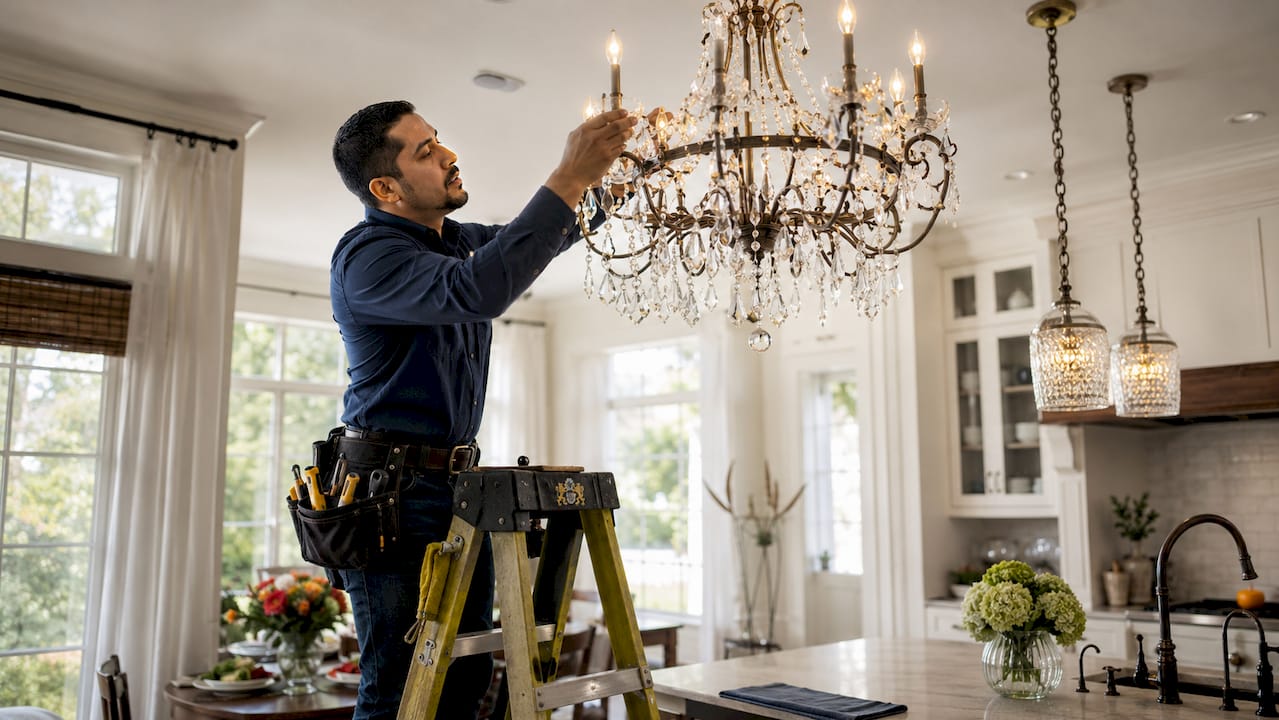
Pendants work the same way at a smaller scale. A cluster of three pendants at staggered heights above a dining table creates visual movement and fills the vertical space that a single pendant leaves empty. For crystal chandelier options that combine sculptural impact with genuine light performance, the material quality of the crystal matters as much as the fixture’s shape.
3. Mixed-metal fixtures for layered visual interest
Mixing metal finishes is one of the most underused interior lighting inspiration techniques available to homeowners. Combining brass, matte black, and chrome in the same room creates a collected, layered look that feels intentional rather than matchy. The key is to repeat each finish at least twice so the combination reads as a deliberate choice.
A brass floor lamp paired with matte black wall sconces and a chrome pendant over the kitchen island sounds bold, but in practice it grounds a room with visual richness. The rule is balance, not uniformity. One dominant metal and one or two supporting finishes keeps the scheme cohesive.
4. Wireless and plug-in sconces for flexible accent lighting
Wireless and rechargeable lamps solve one of the most common lighting problems in older homes and rentals: the inability to rewire walls for new fixtures. Plug-in sconces with cord covers give you wall-mounted accent lighting without an electrician. Battery-operated picture lights let you highlight artwork in any room, on any wall.
This approach is particularly valuable in historic homes where drilling into plaster walls is either prohibited or structurally risky. The creative lighting solutions available in the wireless category have expanded dramatically, with brands now offering rechargeable sconces that look identical to hardwired versions. You get the layered look without the renovation budget.
5. LED strip lighting for architectural glow
LED strip lighting installed behind crown molding, under kitchen cabinets, or along stair risers creates what designers call “invisible light.” The source disappears; only the glow remains. This technique adds depth to architectural features that standard fixtures cannot reach.
The color temperature you choose for LED strips matters significantly. Warm bulbs between 2400K and 2700K replicate the golden hour and enhance the richness of wood, stone, and fabric. Color temperatures above 3000K produce a clinical atmosphere that works against the warmth most homeowners want in living spaces and bedrooms.
Pro Tip: When dimming LEDs, select ENERGY STAR-certified dimmable bulbs and confirm fixture compatibility before purchasing. Mismatched dimmers and bulbs cause flicker, which defeats the purpose of creating a calm, layered atmosphere.
6. Floor and table lamps to fill light gaps
Floor lamps fill dark corners and bring vertical light variation to layered schemes in a way that recessed lighting simply cannot. A torchiere floor lamp directed upward visually expands a small room by washing the ceiling with light. In small apartments specifically, vertical uplighting from floor lamps adds spatial interest without adding clutter.
Table lamps serve a different function. They bring light down to eye level when you are seated, which is where you actually experience a room. A pair of matching table lamps flanking a sofa or bed creates symmetry and fills the mid-level light zone that overhead fixtures miss entirely. The lampshade material matters too: opaque shades create dramatic pools of light, while translucent shades produce a soft ambient glow that spreads through the room.
7. Comparing popular lighting styles: modern, classic, rustic, and luxury
Understanding the best lighting styles means knowing what each aesthetic demands from its fixtures, finishes, and light quality. The table below summarizes the core traits of each style and the fixture types that define them.
| Style | Key traits | Ideal fixture types | Color temperature |
|---|---|---|---|
| Modern | Minimal, geometric, mixed metals | Linear pendants, track lighting, recessed with accents | 3000K to 4000K |
| Classic | Ornate, symmetrical, warm light | Crystal chandeliers, candelabra sconces, table lamps | 2700K to 3000K |
| Rustic | Natural materials, textured shades | Wrought iron pendants, Edison bulb clusters, woven lampshades | 2200K to 2700K |
| Luxury | Sculptural, high CRI, warm dim-to-warm LEDs | Statement chandeliers, bespoke pendants, integrated LED coves | 2400K to 2700K |
Modern lighting concepts favor restraint. Clean lines, geometric pendants, and a deliberate mix of metals define the style. Classic interiors rely on symmetry and ornate detail, where a crystal chandelier with Swarovski elements becomes the room’s centerpiece. Rustic spaces use natural materials like wrought iron and woven shades to play with texture and shadow. Luxury interiors combine all of the above with one addition: fixtures that function as sculpture, with high color rendering index ratings that make every surface and material look its best.
8. How to choose and place lighting fixtures for maximum impact
Choosing the right fixture starts with the room’s existing style and materials. A matte black geometric pendant reads as modern in a white kitchen and industrial in a brick-walled loft. The same fixture, different context, different result. Match the fixture’s material and finish to at least two other elements already in the room.
Placement follows function. Here is a practical sequence for any room:
- Identify the room’s primary activities and position task lights first.
- Add ambient lighting with a dimmer to set the overall light level.
- Layer in accent lights to highlight focal points: artwork, architectural details, or decorative objects.
- Check for dark corners and fill them with floor lamps or plug-in sconces.
- Step back and assess vertical distribution. Light should exist at ceiling, mid-level, and floor level.
Over-reliance on recessed ceiling lights flattens rooms by removing depth and intimacy. Recessed lights work as part of a layered scheme, not as the entire scheme. Designers consistently advise adding lower, warmer sources to any room that relies exclusively on can lights.
Pro Tip: Layered lighting makes a room versatile for multiple activities without physical changes. You switch light layers rather than rearranging furniture. Install separate circuits for ambient, task, and accent lighting so each layer operates independently.
Balancing symmetrical and asymmetrical setups adds another dimension. Symmetrical arrangements, like matching sconces flanking a fireplace, create formality and calm. Asymmetrical setups, like a single arc floor lamp beside a reading chair, feel casual and personal. Most well-designed rooms use both.
Key takeaways
Effective lighting design combines ambient, task, and accent layers across multiple heights and sources to create rooms that are both functional and visually compelling.
| Point | Details |
|---|---|
| Layer three light types | Ambient, task, and accent lighting each serve a distinct role and must work together. |
| Use at least 4 to 5 sources | A single overhead fixture cannot achieve the depth a professionally lit room requires. |
| Warm color temperatures win | Stay between 2400K and 3000K for living spaces to avoid a clinical atmosphere. |
| Dimmers are non-negotiable | Dimming controls let one room serve multiple moods without changing fixtures. |
| Fixtures are also decor | Sculptural chandeliers and statement pendants define a room’s character even when unlit. |
What I’ve learned after years of watching lighting transform rooms
Most homeowners underestimate lighting until they experience a room that gets it right. The single biggest mistake I see is treating lighting as the last decision, something chosen after the furniture, the paint, and the rugs are already in place. Lighting is not a finishing touch. It is the layer that makes every other decision visible.
The shift toward lighting as art is the most significant trend I have watched develop over the past decade. Fixtures from brands like Crystalplace, which sources genuine Swarovski crystal components, are not just functional objects. They are the room’s most visible statement when guests walk in. A custom crystal chandelier does something a painted ceiling or an expensive sofa cannot: it moves light through a space, scattering it in ways that change with the time of day and the season.
The technology side has also matured. Philips Hue and Lutron systems now allow homeowners to program lighting scenes that shift color temperature throughout the day, supporting natural circadian rhythms without any manual adjustment. Human-centric lighting that adjusts to biological clocks is no longer a luxury hotel feature. It is available to anyone willing to invest the time in setup.
My honest advice: start with the layer you are missing, not the fixture you love. If your room already has overhead light, add a floor lamp and a table lamp before you buy anything else. Get the layers working first. Then choose the statement piece that makes the room yours.
— BCC
Add crystal brilliance to your lighting scheme
The ideas in this article come to life fastest when your fixtures are doing double duty: illuminating the room and defining its character. Crystalplace has specialized in authentic crystal lighting components since 1992, sourcing directly from Swarovski and other verified crystal brands. Whether you are building a layered scheme from scratch or upgrading a single focal point, the crystal prisms and chandelier decor at Crystalplace give you the prismatic light quality that no standard fixture can replicate. Browse statement chandeliers, hanging crystal accents, and individual crystal components with free shipping on orders over $22 within the USA.
FAQ
What is layered lighting in home design?
Layered lighting combines ambient, task, and accent light sources across multiple heights to create depth, function, and atmosphere in a room. A professionally layered room uses at least four to five distinct light sources.
How do I choose the right color temperature for my living room?
Stay between 2700K and 3000K for living rooms and bedrooms. Bulbs in this range produce warm, inviting light that enhances wood, fabric, and skin tones without the clinical feel of higher color temperatures.
Can I add layered lighting without rewiring my home?
Yes. Wireless rechargeable lamps, plug-in wall sconces, and battery-operated picture lights let you add accent and ambient layers to any room without an electrician or structural changes.
Why do designers avoid using only recessed lighting?
Recessed ceiling lights flatten a room by eliminating depth and shadow. They work as one layer in a broader scheme, but used alone they remove the warmth and intimacy that lower, softer light sources provide.
What fixture style works best for a luxury interior?
Luxury interiors favor sculptural, organic-shaped fixtures with high color rendering index ratings and warm dim-to-warm LED technology. Crystal chandeliers with genuine Swarovski components are a defining choice because they scatter prismatic light and function as art even when switched off.
Recommended
- Decorative Lighting Ideas List for Every Home Style – CrystalPlace
- Crystal chandelier trends 2026: elevate modern spaces – CrystalPlace
- Enhance Your Home with Crystal Interior Lighting – CrystalPlace
- Chandelier Design Trends to Watch in 2026 – CrystalPlace