

Discover the true role of crystal beads in design. Learn how to enhance your décor with expert insights on placement, cut, and adhesives!
TL;DR:
- Crystal beads’ role extends beyond surface shimmer, with cut and placement affecting light refraction and sparkle. Faceted beads produce sharp rainbow effects in dynamic lighting, while smooth beads offer soft luminosity; choosing the right type enhances design impact. Proper attachment techniques and accurate material selection ensure long-term durability and true crystal brilliance in interior decor projects.
Crystal beads are one of the most misunderstood materials in decorative design. Many people assume that anything sparkling will create rainbow light effects, but the role of crystal beads in design goes far deeper than surface shimmer. The cut, type, and placement of each bead determines whether your project reads as a polished statement or a missed opportunity. This guide breaks down the real mechanics behind crystal bead design, from how faceting affects light behavior to which adhesives actually hold long-term, so you can make decisions that produce results you’ll love for years.
Key takeaways
| Point | Details |
|---|---|
| Cut determines light behavior | Faceted beads create sharp rainbow effects; smooth beads produce soft glow and texture contrast. |
| Adhesive must match the surface | Using the wrong glue is the top cause of crystal bead failure, not poor crafting technique. |
| Not all “crystal” is equal | Many marketed crystal beads are quality glass; genuine lead crystal commands both higher sparkle and higher price. |
| Geometry amplifies sparkle | Freely hanging bead strands capture light from multiple angles, producing far more dynamic effects than rigid clusters. |
| Color and layering add depth | Combining faceted and smooth beads, or adding color, creates contrast and prevents a flat, one-dimensional look. |
The role of crystal beads in design: cut and light behavior
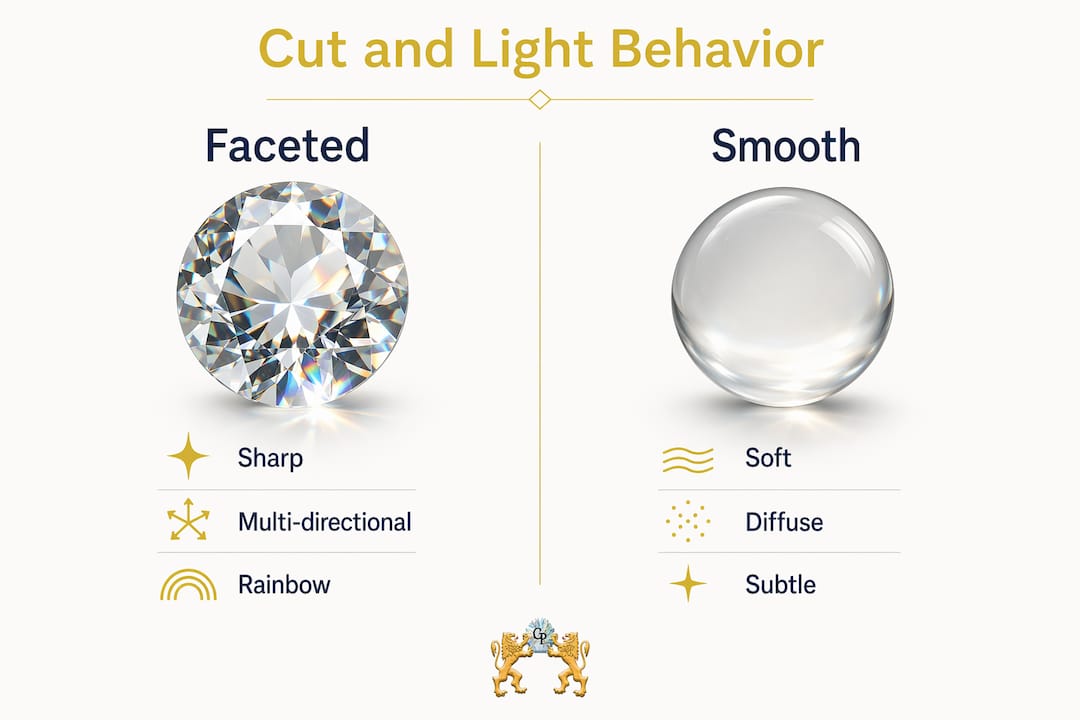
The industry standard term for what most people call “sparkle” is light refraction, and understanding it is the single biggest unlock for crystal bead projects. When light hits a bead, the material either bends and splits that light into a spectrum or simply reflects it as a soft glow. The difference comes down almost entirely to faceting.
Faceted beads produce sharp, intense sparkle visible across a room, making them ideal for statement chandeliers, suncatchers, and focal-point wall art. Smooth beads, by contrast, offer a softer luminescence that works better as a subtle accent or textural layer. Neither is better in an absolute sense. They serve different design goals.
| Feature | Faceted beads | Smooth beads |
|---|---|---|
| Visual effect | Sharp, multi-directional sparkle | Soft glow, subtle sheen |
| Light behavior | Refracts and splits light into spectrums | Reflects light without splitting |
| Best placement | Statement focal points, suncatchers | Accent trim, texture layering |
| Tactile quality | Angular, geometric feel | Silky, rounded feel |
| Cost consideration | Generally higher for quality cuts | More accessible price points |
The number of facets also matters. A 32-facet bead captures light from many more angles than an 8-facet one, which means it produces more intense and varied sparkle as lighting conditions shift throughout the day. This is why the same chandelier looks completely different at noon versus sunset.
Pro Tip: When designing a room accent with crystal beads, hold a few faceted samples up to your window before buying. The colors and intensity you see in that moment reflect exactly what the bead will do when installed near a natural light source.
Crystal beads in interior décor projects
The uses of crystal beads in fashion have long informed how decorators apply them to interiors. The same design logic carries over: beads work best when they interact dynamically with their environment rather than sitting as static decoration.
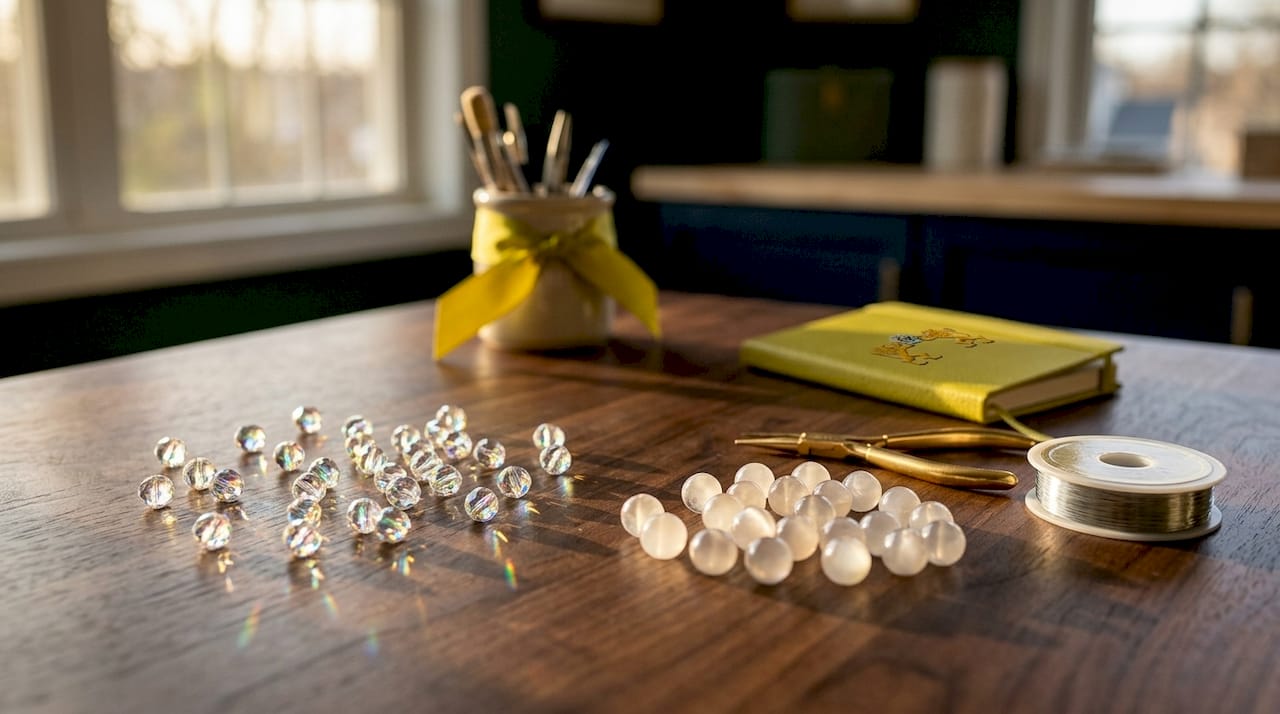
Crystal components on lamps, curtains, and wall art add dazzling sparkle that shifts as you move through a space. That movement is the whole point. A beaded chandelier catches light differently from every seat at a dining table. A suncatcher in a south-facing window floods an entire wall with shifting rainbow patches as the sun moves. Here are four high-impact applications worth considering:
- Beaded chandeliers and pendant lights. Strand faceted prisms vertically and let them hang freely. The dynamic multi-angle sparkle from hanging strands far exceeds what you get from rigid bead clusters attached to a fixed frame.
- Window suncatchers. Position faceted crystal prisms in direct sunlight to split light into rainbow spectrums on nearby walls. Smooth beads will not produce this effect. Rainbow splitting requires faceting and correct light incidence.
- Lampshade accents. Attach beaded fringe trim around the base of a fabric shade. This keeps decoration subtle during the day and dramatically amplifies the lamp’s warmth at night when the bulb illuminates from within.
- Curtain trim and beaded panels. Sewing or attaching crystal bead strands along curtain edges creates a shimmering perimeter that catches daylight as curtains move. This works especially well in rooms with cross-ventilation.
Strand geometry directly shapes the result. Bead arrangement affects sparkle variation and impact in suncatchers, meaning tighter spacing produces denser light patterns while wider spacing lets individual beads read more clearly. Start with 2 to 3 inches between bead clusters on hanging strands and adjust based on visual testing in your actual space.
Pro Tip: For rainbow wall effects, position your suncatcher no more than 10 feet from the wall you want to illuminate. Beyond that distance, the projected spectrum loses definition and fades into ambient light.
Attachment techniques for lasting results
This is where most DIY crystal bead projects succeed or fail, and it has very little to do with artistic skill. Adhesive selection requires matching to substrate for optimal bond strength, and getting it wrong is the leading cause of crystals falling off weeks after a project is complete.
There are three main bead backing types you will encounter:
- Flat-back crystals have smooth backs designed for direct adhesion to surfaces. They work on glass, wood, rigid plastics, and finished fabrics. Use epoxy or super glue for hard surfaces, and fabric-safe glue specifically formulated for textiles. Press firmly after placing and allow full curing time before moving the piece.
- Hotfix rhinestones carry a heat-activated adhesive on their flat backs. You apply heat with a dedicated rhinestone iron or a regular iron on low setting through a thin cloth. The key caution: never press the iron soleplate directly onto the crystal surface. You will either discolor the foiling or damage the setting.
- Sew-on and pointback styles require either thread or prong settings. These are the most durable option for fabric applications because they don’t rely on adhesive chemistry at all.
The bond failure is usually due to material mismatch, not technique. Epoxy chemistry must be suited to the substrate: epoxy and super glue for hard surfaces, fabric-safe glues for textiles, with full curing time observed in both cases.
Pro Tip: When using super glue on flat-back crystals, apply a minimal amount to the bead backing, not the surface. Excess glue wicks under the crystal and can cloud the foil backing, dulling the sparkle permanently.
Luxury crystal vs. glass beads: knowing what you’re buying
The word “crystal” is used loosely across the decorative bead market, and this creates real confusion for buyers. Genuine lead crystal carries higher sparkle and cost, while many products marketed as crystal are actually high-quality glass. Neither is fraudulent at face value, but they are not the same.
Here is a simplified breakdown of the product tiers you will encounter:
| Category | Sparkle level | Price range | Best for |
|---|---|---|---|
| Lead-free precision glass | Moderate | Low to mid | Crafts, large-volume projects |
| Quality borosilicate glass | Good | Mid | Accent work, fashion trim |
| Lead-free crystal (e.g., Swarovski) | Excellent | Mid to high | Statement décor, chandeliers |
| Full-lead crystal | Highest | High | Heirloom pieces, professional installs |
A few practical ways to recognize genuine crystal quality before you buy:
- Hold the bead up to direct light. Genuine precision-cut crystal produces sharp, distinct color separation. Quality glass produces a softer, more diffuse shimmer.
- Check for consistent facet edges. Molded glass often has slightly blurred facet lines; precision-cut crystal shows clean, sharp edges under close inspection.
- Research the brand’s sourcing. Crystalplace provides crystal bead types with transparent sourcing from authenticated manufacturers, which removes the guesswork for buyers.
Design techniques with crystal beads: tips that actually work
Most guides tell you to “use contrast” or “mix bead sizes.” That’s fine advice, but it leaves out the specifics that actually produce results. The impact of crystal beads in crafting depends on how thoughtfully you combine materials, not just which materials you choose.
Layering faceted and smooth beads within a single strand creates visual depth that flat-faceted strands simply can’t achieve. The smooth beads act as a visual rest between bursts of intense sparkle, preventing the eye from becoming overwhelmed. Think of it as musical rhythm: constant high notes fatigue the listener; the quiet notes give the loud ones meaning.
Color choices follow the same logic. Clear crystal reads as timeless and adapts to any room palette. Adding a strand of pale rose or smoky gray beads introduces sophistication without competing with existing décor. Deep amber or cobalt works best in spaces designed around bold color statements.
For durability in installations near windows or in rooms with airflow, use beading wire near windows rather than thread or fishing line. Wire holds tension under temperature change and humidity fluctuation without stretching or snapping. This is a detail most beginners skip and regret.
How to incorporate crystal beads in art installations follows a similar principle: the framing matters as much as the beads. A scattered approach dilutes impact. Grouped, geometric arrangements focus light and create intentional focal points that reward close inspection and read clearly from across a room.
Pro Tip: To achieve rainbow splits on a wall, use a faceted crystal prism hung at a 45-degree angle relative to the incoming light source. Vertical hanging scatters light broadly; angled hanging concentrates the spectrum toward a specific surface.
What I’ve learned from getting crystal bead design wrong
I’ve seen project after project where the beads were beautiful and the result was flat. Every time, the root cause was geometry or adhesive. Not taste. Not budget.
Beginners consistently underestimate how much spacing and hanging geometry shape sparkle output. Two identical faceted beads placed 1 inch apart versus 4 inches apart produce measurably different effects in the same room, under the same light. You can’t design by instinct alone here. You need to test in your actual space with your actual lighting before committing to a full installation.
The adhesive lesson took me longer to absorb. I assumed that if a crystal stayed put in the first week, the job was done. It’s not. The bond has to survive seasonal humidity swings, cleaning, and the slow mechanical stress of thermal expansion. The right adhesive for the surface isn’t a minor detail. It is the detail that separates a project you’re proud of from one you’re quietly replacing six months later.
My approach now is to prototype at small scale. I build a sample strand or a test panel before committing materials, check how it reads under different lighting conditions at different times of day, then scale up. The benefits of crystal bead designs are fully realized only when placement and materials are tested, not assumed.
— BCC
Bring your crystal bead vision to life with Crystalplace
If reading this has you ready to start planning a project, the quality of your materials will determine everything that follows.
Crystalplace has been sourcing premium crystal prisms and beads directly from authenticated manufacturers since 1992. Their catalog includes faceted crystal prisms engineered specifically for maximum light refraction, hanging crystal strands ready for chandelier assembly or suncatcher projects, and a full range of accessories for custom work. Whether you want to illuminate your home with a new chandelier or add shimmer to a single lamp, Crystalplace offers the expertise and selection to match your project to the right components. Free shipping applies to US orders over $22.
FAQ
What is the difference between faceted and smooth crystal beads?
Faceted beads refract light into sharp, multi-directional sparkle and can produce rainbow effects on nearby surfaces. Smooth beads reflect light as a soft glow without splitting it into a spectrum.
Do all crystal beads create rainbow light effects?
No. Rainbow effects require faceting and the correct light angle. Smooth beads, regardless of how clear or polished they are, do not split light into color spectrums.
What adhesive should I use for flat-back crystal beads?
Match your adhesive to the surface: epoxy or super glue for hard surfaces like glass and wood, and fabric-safe glue specifically for textiles. Allow full curing time before handling the piece.
How do I know if I’m buying genuine crystal or glass?
Inspect the facet edges under direct light. Genuine precision-cut crystal shows clean, sharp facet lines and produces distinct color separation. Quality glass tends toward softer, more diffuse shimmer with slightly blurred facet edges.
How far should crystal suncatchers hang from the wall for best rainbow results?
Position faceted suncatchers within 10 feet of the target wall. Beyond that distance, the projected spectrum disperses and loses definition against ambient room light.
Recommended
- Crystal Bead Types: Enhance Lighting and Style with Informed Choices – CrystalPlace
- Discover crystal beads: illuminate your home with brilliance – CrystalPlace
- The Real Role of Crystals in Decor for Your Home – CrystalPlace
- Crystal accessories: elevate your space with light and elegance – CrystalPlace