

Discover why invest in authentic crystal for your home and wellness. Explore superior beauty, energy properties, and lasting value today!
TL;DR:
- Authentic crystal offers superior light refraction, lasting beauty, and genuine energy properties that imposters cannot match.
- Verifying authenticity involves physical tests such as weight, sound, and light refraction, and sometimes non-destructive XRF analysis.
Authentic crystal is defined by its material composition, certified origin, and measurable optical properties that glass and synthetic stones cannot replicate. Knowing why invest in authentic crystal matters means understanding that real crystal delivers superior light refraction, lasting beauty, and trusted energy properties that cheap imitations simply cannot offer. Whether you are decorating a dining room with a chandelier or building a wellness space with healing stones, the difference between genuine and fake crystal shows up immediately in how it looks, feels, and performs. Crystalplace has sourced certified authentic crystal products since 1991, giving collectors and decorators a reliable starting point.
Why invest in authentic crystal: the core case
Authentic crystal earns its higher price through physical properties that are measurable, not just marketed. Crystal’s higher refractive index and density create prismatic sparkle, superior weight, and a clear ringing tone. These are not subjective impressions. They are the direct result of metallic oxide content, typically lead oxide, barium oxide, or zinc oxide, baked into the material during manufacturing.
The difference matters most in lighting applications. A genuine crystal prism splits white light into a full visible spectrum, casting rainbow patterns across walls and ceilings. A glass imitation scatters light without the same depth or color separation. For home decorators, that distinction is the entire point of buying crystal in the first place.
For wellness practitioners, the stakes are different but equally real. Fake or dyed crystals lack the natural energy vibrations believed to support mindfulness and personal wellness practices. Authentic stones maintain their metaphysical integrity, which is why certified pieces command trust among serious practitioners.
What physical properties set authentic crystal apart?
The composition of authentic crystal separates it from ordinary glass at a molecular level. Lead crystal contains at least 24% lead oxide, historically prized for brilliance and workability. Modern lead-free alternatives use barium oxide or zinc oxide to replicate those optical qualities without toxicity concerns, making them the preferred choice for new purchases today.
Three sensory tests reveal authenticity quickly:
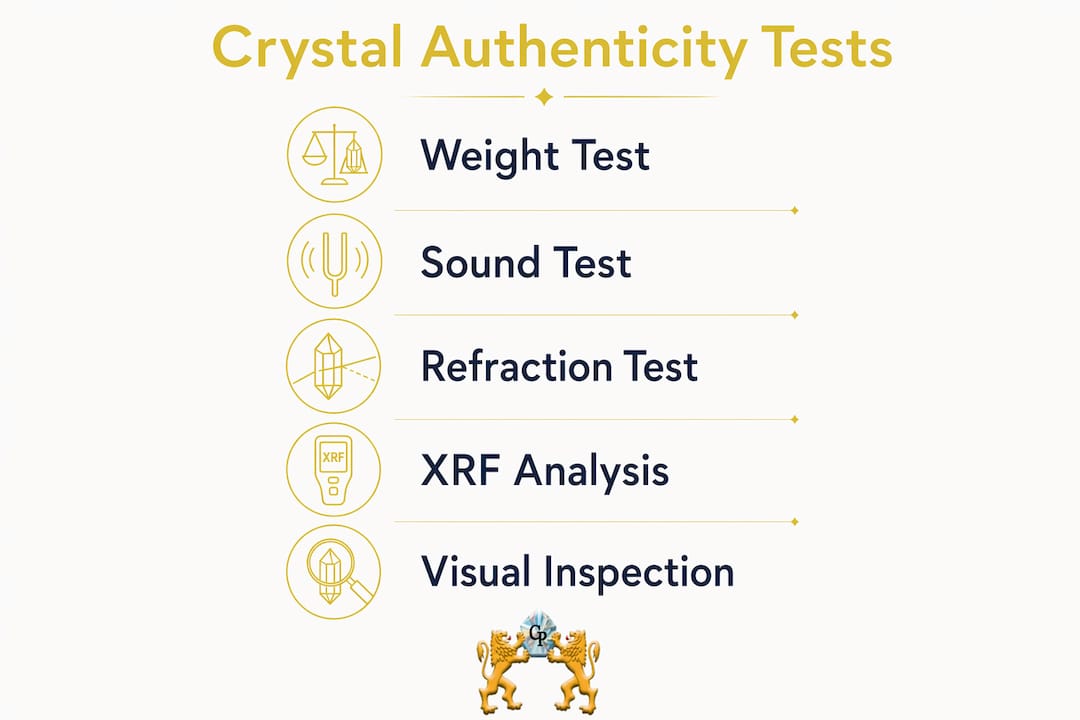
- Weight test: Authentic crystal feels noticeably heavier than glass of the same size. The density difference is immediate when you hold a piece in your hand.
- Sound test: Flick the rim of a crystal glass or prism with your fingernail. Authentic crystal produces a clear, sustained ringing tone. Glass gives a dull, short thud.
- Light refraction test: Hold the piece up to a light source. Genuine crystal casts vivid rainbow prisms across surrounding surfaces. Glass produces little to no color separation.
These three practical tests are the weight test, the sound test, and the refraction test. They work in any retail setting without special equipment.
For high-value pieces, X-ray fluorescence (XRF) is the most reliable non-destructive method to verify lead oxide content. XRF confirms true crystal authenticity without damaging the piece, making it the preferred verification tool for collectors and appraisers.
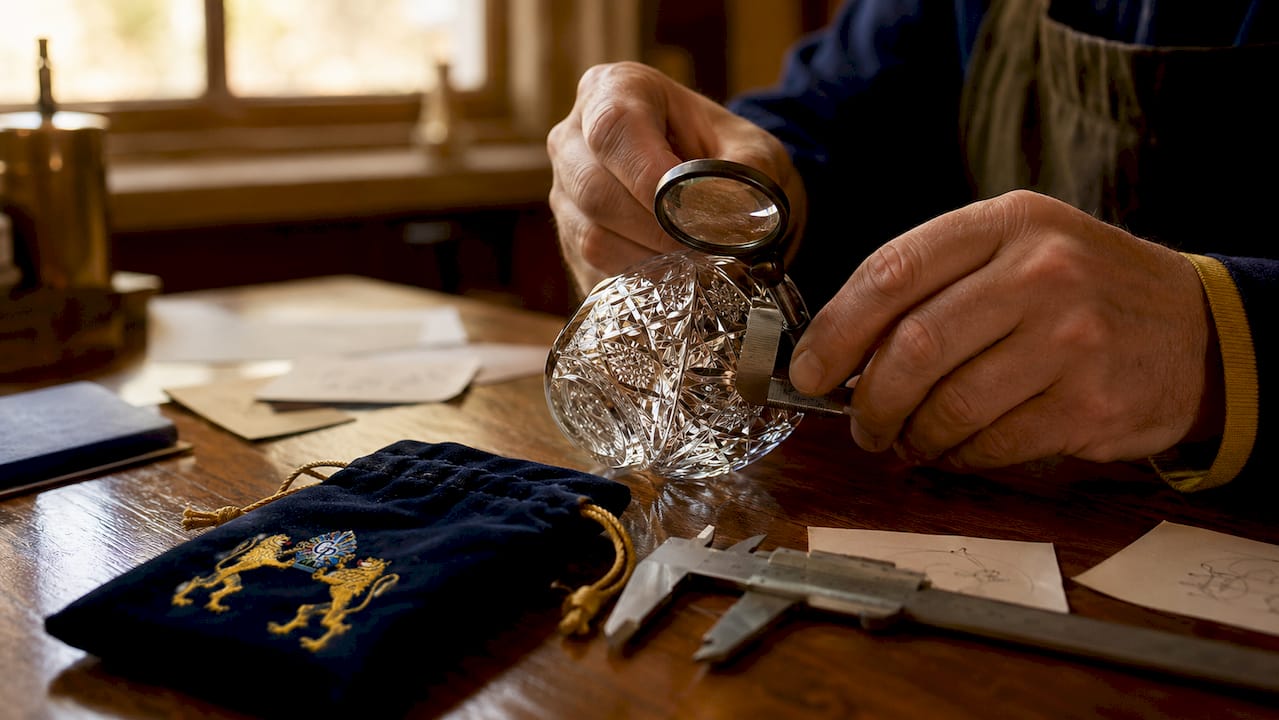
Pro Tip: When shopping in person, bring a small flashlight. Hold the crystal up to the beam and look for vivid, separated rainbow colors. A weak or white-only scatter signals glass or low-grade synthetic material.
Why certified crystals carry more value
Certification is the formal bridge between a seller’s claim and a buyer’s confidence. Certified crystals provide clarity, honesty, and trust through lab verification, reducing the risk of fake or treated stones reaching buyers. A gemological certificate documents natural origin, any treatments applied, and the stone’s physical characteristics.
The risks of skipping certification are concrete:
- Aesthetic disappointment: Dyed or synthetic stones fade over time. The color that attracted you in the store may look washed out within months.
- Wellness concerns: Practitioners who use crystals for meditation or energy work report that synthetic stones do not produce the same results as natural ones.
- Safety issues: Some dyed or coated stones release chemicals that cause skin irritation with prolonged contact.
- Market fraud: The crystal market includes a significant volume of mislabeled products. Without a certificate, you have no recourse if a seller misrepresents a stone.
Certification supports a healthier crystal market by encouraging ethical business practices and reducing counterfeit products. That transparency benefits both buyers and sellers over the long term.
The pursuit of clarity, honesty, and trust is the primary motivation for investing in certified authentic stones, especially among wellness seekers. A certified piece gives you documented proof that what you bought is exactly what was described.
How to care for authentic crystal to preserve its value
Authentic crystal requires more careful handling than standard glass. The same metallic oxide content that creates brilliant light refraction also makes crystal softer and more prone to scratching. That trade-off is worth knowing before you buy.
Follow these steps to maintain crystal’s brilliance over time:
- Use a specialized crystal cleaner. Cleaning authentic crystal requires gentle, specialized products to avoid permanent damage. Harsh chemicals like ammonia or bleach dull the surface and degrade the refractive coating on treated pieces.
- Avoid abrasive cloths. Use a soft microfiber cloth only. Rough materials scratch the surface and reduce the sparkle that makes crystal worth owning.
- Skip the dishwasher. High heat and strong detergents cause cloudiness that cannot be reversed. Hand-wash crystal pieces individually in lukewarm water.
- Dry immediately. Water spots form quickly on crystal surfaces. Pat dry with a lint-free cloth right after washing to prevent mineral deposits from dulling the finish.
- Store carefully. Keep crystal pieces separated with soft padding. Contact between pieces causes chips and surface scratches that lower both aesthetic and resale value.
Maintaining crystal brilliance depends more on appropriate care and gentle cleaning routines than on manufacturer labeling alone. A well-maintained piece from a mid-range brand will outperform a neglected piece from a premium one.
Pro Tip: For chandelier crystals, Crystalplace offers a specialized crystal chandelier cleaning solution designed for authentic crystal surfaces. It removes dust and residue without streaking or scratching.
How to confidently buy authentic crystals for décor and wellness
Buying authentic crystal with confidence requires a clear process. The market mixes genuine pieces with convincing fakes, so a structured approach protects your investment.
Match your purchase to your intended use
Expensive authentic crystals suit collectors and frequent practitioners due to their stronger energy and aesthetic perfection. Casual buyers who want decorative pieces for a shelf or windowsill can often find good value at lower price points. The key is knowing which category you fall into before you shop.
| Use case | What to prioritize |
|---|---|
| Chandelier restoration | Certified origin, optical grade, matching cut |
| Meditation and energy work | Natural origin certificate, untreated stone |
| Gift giving | Clarity, presentation, verified authenticity |
| Casual home décor | Visual appeal, budget, basic authenticity check |
| Collector-grade investment | Gemological certificate, provenance, rarity |
Steps to verify before you buy
- Request certification documents from gemological labs before purchasing any stone above a casual price point. A reputable seller provides these without hesitation.
- Perform the weight, sound, and refraction tests in person whenever possible. These practical tests for consumers take less than a minute and reveal most fakes immediately.
- Check seller provenance. Crystalplace sources directly from authenticated crystal brands and has done so since 1991. That direct sourcing chain reduces the risk of counterfeit products entering the supply.
- Read the product description carefully. Terms like “crystal-style,” “crystal-look,” or “crystal-inspired” signal glass or synthetic materials, not genuine crystal.
- Ask about return policies. Sellers confident in their product’s authenticity offer clear return terms. Vague or no-return policies are a warning sign.
For chandelier-specific purchases, the guide to authentic Swarovski prisms from Crystalplace walks through the specific authentication markers for one of the most recognized crystal brands in the world.
Key Takeaways
Investing in authentic crystal delivers measurable returns in optical quality, long-term durability, and verified energy properties that synthetic alternatives cannot match.
| Point | Details |
|---|---|
| Physical tests confirm authenticity | Use the weight, sound, and refraction tests to identify genuine crystal before buying. |
| Certification protects your investment | Gemological lab documents verify natural origin and reduce the risk of fake or treated stones. |
| Care determines long-term value | Gentle cleaning with specialized products preserves brilliance and prevents irreversible surface damage. |
| Match grade to intended use | Collector-grade pieces require certification; casual décor buyers can prioritize visual appeal and basic checks. |
| Certified sellers reduce risk | Sourcing from verified providers with direct brand relationships lowers the chance of counterfeit products. |
What I’ve learned from years of working with authentic crystal
The biggest mistake I see buyers make is treating authenticity as a bonus rather than a baseline. They find a piece they love visually, skip the verification step, and end up with a glass imitation that loses its appeal within a year. The refraction test alone takes thirty seconds. There is no good reason to skip it.
The second mistake is conflating price with quality. Expensive does not always mean authentic, and affordable does not always mean fake. I have seen beautifully certified natural stones at accessible prices and overpriced glass marketed with confident-sounding labels. The certificate is the only thing that settles the question.
For home decorators, I would push back on the idea that crystal is purely a luxury purchase. A single well-placed crystal prism in a south-facing window changes the entire character of a room every afternoon. That kind of daily return on a modest investment is hard to match with any other décor element.
For wellness practitioners, my honest advice is to buy fewer pieces and buy them right. One certified, natural stone with documented origin does more for your practice than a collection of cheap, dyed alternatives. The value of real crystals in a wellness context comes from trust in what you are holding. You cannot trust what you cannot verify.
— BCC
Authentic crystal prisms and décor pieces at Crystalplace
Crystalplace has been a trusted source for certified authentic crystal products since 1991, sourcing directly from established crystal brands to give decorators and collectors genuine pieces with verified provenance.
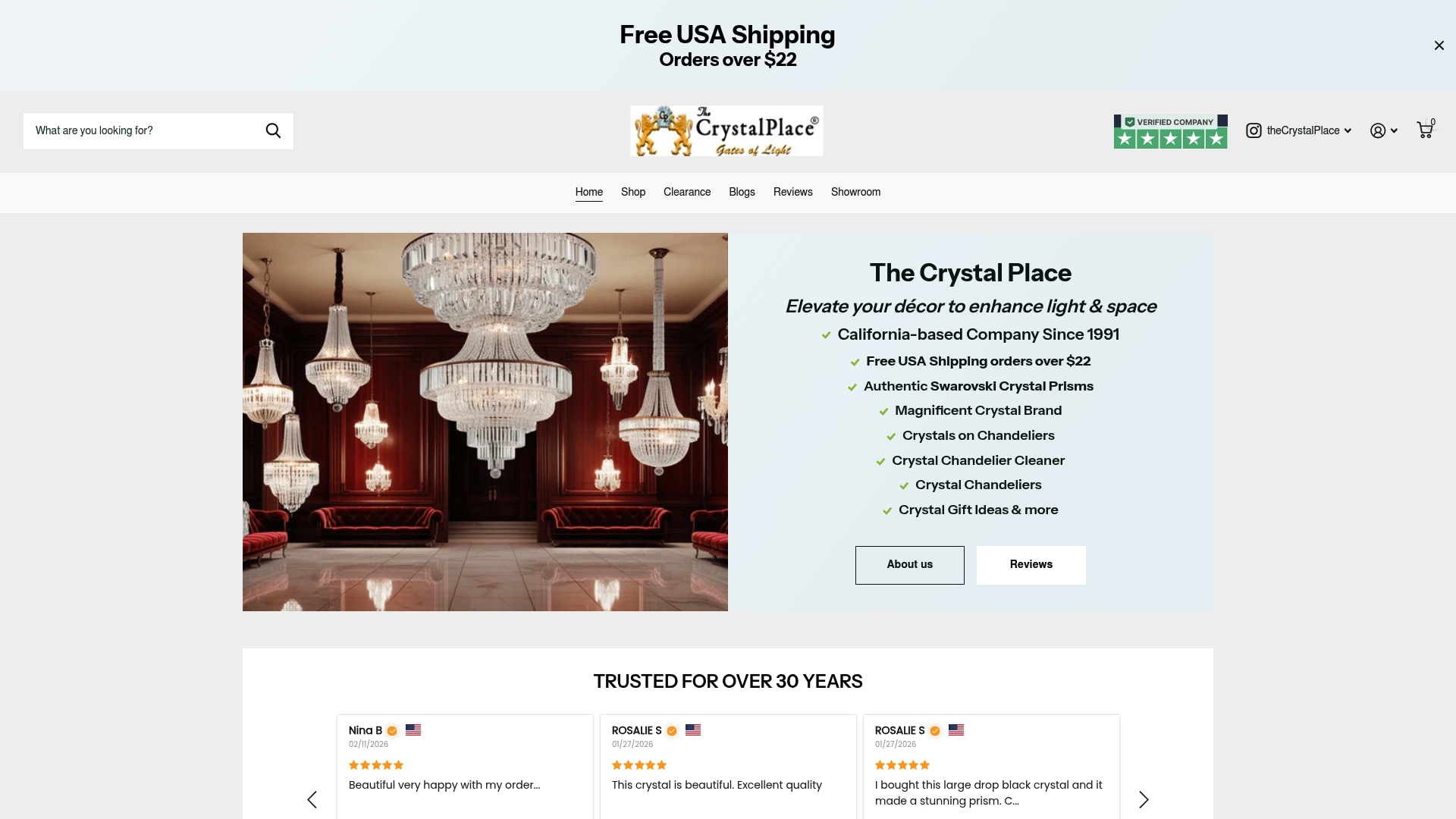
The collection at Crystalplace includes crystal prisms, chandelier parts, suncatchers, and hanging crystals suited for both restoration projects and new installations. Every piece reflects the optical standards that separate real crystal from glass imitations. Free shipping applies to orders over $22 within the USA. For buyers who want to learn more before purchasing, the guide on how to choose authentic crystal chandelier parts covers the key quality indicators to look for in any crystal purchase.
FAQ
What makes authentic crystal different from glass?
Authentic crystal contains metallic oxides such as lead oxide, barium oxide, or zinc oxide, giving it a higher density, a clear ringing tone, and vivid light refraction that glass cannot replicate.
How do I test a crystal piece for authenticity at home?
Use the weight test, the sound test, and the refraction test. Genuine crystal feels heavier than glass, rings clearly when flicked, and casts rainbow prisms under direct light.
Why does certification matter when buying crystals?
Certification from a gemological lab verifies natural origin and documents any treatments, protecting buyers from fake or dyed stones that underperform aesthetically and energetically.
Are lead-free crystals as good as traditional lead crystal?
Modern lead-free crystals using barium oxide or zinc oxide replicate the optical brilliance of traditional lead crystal without toxicity concerns, making them the preferred choice for new purchases.
How often should I clean authentic crystal décor pieces?
Clean crystal décor pieces every few weeks using a specialized crystal cleaner and a soft microfiber cloth. Avoid dishwashers, abrasive materials, and harsh chemicals to preserve brilliance long-term.
Recommended
- Why Use Real Crystals for Home Décor and Lighting – CrystalPlace
- Crystal Suncatcher Benefits: Transform Light and Mood at Home – CrystalPlace
- Authenticity Verification for Swarovski Crystals – CrystalPlace
- Creative hanging crystal use cases to brighten your home – CrystalPlace