

What is chandelier repair? Learn key repair types, essential DIY steps, safety tips, and expert advice on preserving crystal chandeliers’ beauty and function.
Facing a damaged crystal chandelier can be both stressful and intimidating, especially when its sparkling design is the centerpiece of your living room. Chandelier repair is far more detailed than most people expect, requiring careful electrical inspection, structural assessment, and the preservation of its historical and aesthetic value. Homeowners and interior decorators looking to tackle DIY repairs will find practical solutions here for safely restoring their high-end fixtures while respecting their investment and beauty.
Table of Contents
- Defining Chandelier Repair and Common Misconceptions
- Types of Chandeliers and Typical Repair Needs
- Key Steps in DIY Chandelier Restoration
- Safety Standards and Electrical Considerations
- Professional vs. DIY Repairs: What to Avoid
Key Takeaways
| Point | Details |
|---|---|
| Chandelier Repair Requires Expertise | Many homeowners misinterpret chandelier repair as a simple DIY task, but it involves specialized skills for proper handling and restoration. |
| Focus on Electrical Safety | Always ensure the power is disconnected and consult professionals when dealing with complex electrical issues to prevent hazards. |
| Consider Restoration Needs by Type | Different chandelier styles have unique maintenance and restoration needs, so understanding each type is essential for effective repair. |
| Professional Help is Crucial for Complex Repairs | For high-risk scenarios, such as vintage restorations or intricate electrical repairs, professional assistance is necessary to avoid irreversible damage. |
Defining Chandelier Repair and Common Misconceptions
Chandelier repair is a specialized restoration process that requires precision, technical knowledge, and careful handling of delicate lighting fixtures. Comprehensive repair involves addressing multiple complex elements that go far beyond simple maintenance.
At its core, chandelier repair encompasses several critical aspects:
- Structural assessment of crystal and metal components
- Electrical system diagnostic and rewiring
- Crystal replacement and restoration
- Cleaning and polishing of intricate surfaces
- Hardware and mounting mechanism evaluation
Many homeowners mistakenly believe that chandelier repair is a straightforward DIY project. However, these intricate lighting installations demand professional expertise, especially when dealing with vintage or high-end crystal fixtures. The complexity stems from multiple technical challenges:
- Electrical system integrity requires specialized knowledge
- Crystal attachment requires precise alignment techniques
- Metal framework may need specialized restoration processes
- Original design preservation is crucial for value retention
Professional chandelier repair is about more than fixing - it’s about preserving historical and aesthetic value.
Electrical safety represents a significant concern in chandelier restoration. Improper handling can lead to serious risks, including short circuits, fire hazards, and potential electrocution. Professionals understand the nuanced requirements of different fixture types and can navigate these challenges safely.
Crystal components often require meticulous attention. Replacing or repairing individual crystals demands an understanding of crystal grading, hanging techniques, and optical precision. Not all crystals are interchangeable, and mismatched replacements can dramatically alter a fixture’s appearance and light refraction.
Pro tip: Always disconnect power and consult a professional before attempting any complex chandelier repair to ensure safety and preserve your fixture’s integrity.
Types of Chandeliers and Typical Repair Needs
Chandeliers represent diverse lighting fixtures, each with unique structural characteristics and specialized maintenance requirements. Understanding these variations is crucial for effective repair and preservation of these elegant lighting installations.
Crystal Chandeliers are among the most delicate and complex lighting fixtures:
- Require meticulous crystal cleaning and replacement
- Demand precise alignment of hanging crystals
- Need regular inspection of wire connections
- Susceptible to dust accumulation and tarnishing
- Often feature intricate mounting systems
Traditional Chandelier Types include several distinct categories:
- Crystal chandeliers
- Candle-style chandeliers
- Drum-shade chandeliers
- Pendant chandeliers
- Modern minimalist designs
Each chandelier type demands a unique approach to maintenance and repair.
Candle-Style Chandeliers present distinct repair challenges. These fixtures often require specialized wax removal techniques and maintenance of delicate flame-mimicking components. Different chandelier styles encounter unique mechanical issues, necessitating targeted repair strategies.
Electrical Components represent a critical repair aspect across all chandelier types. Common electrical issues include:
- Flickering lights
- Loose socket connections
- Outdated or damaged wiring
- Faulty electrical switches
- Incompatible modern bulb installations
Modern and vintage chandeliers differ significantly in their repair approaches. Vintage pieces often require preservation techniques that maintain historical authenticity, while contemporary designs might prioritize functional upgrades and energy efficiency.
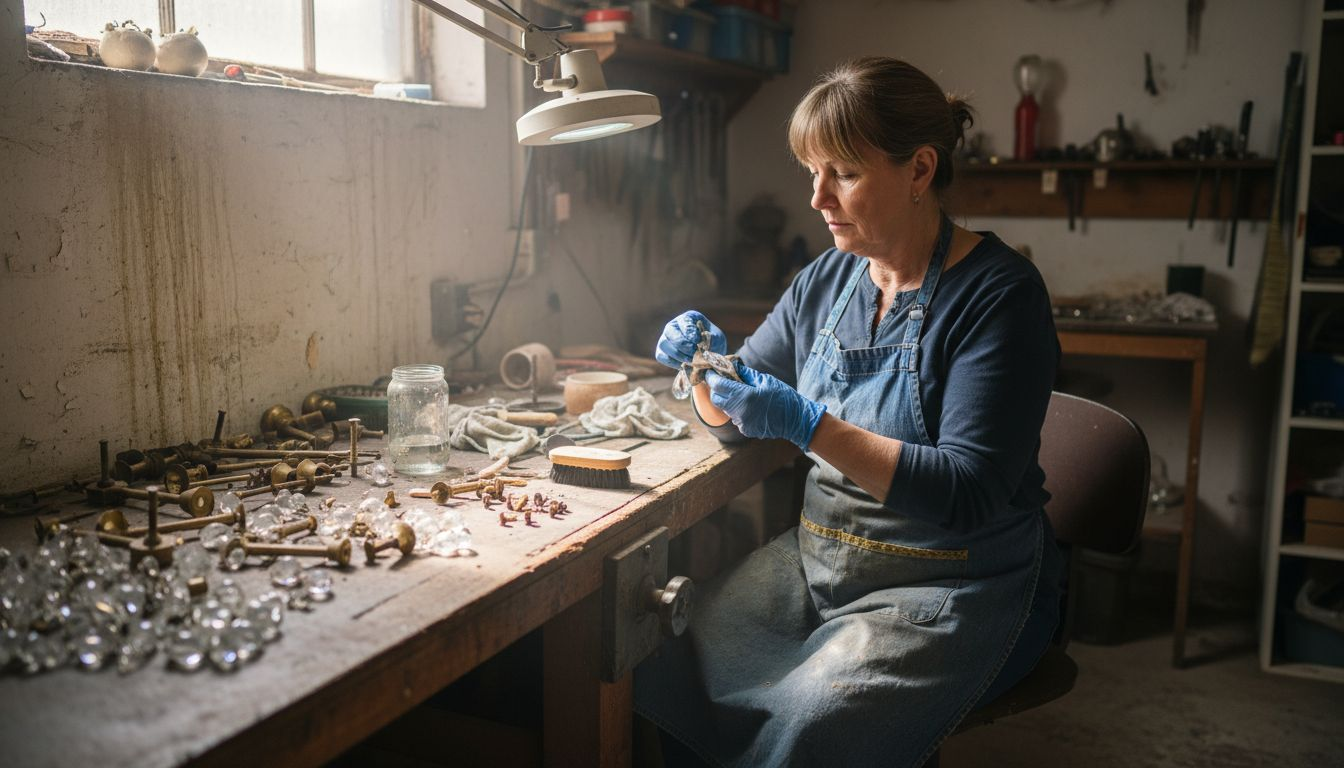
The table below summarizes common chandelier types and their unique restoration challenges:
| Chandelier Type | Key Restoration Challenge | Special Consideration |
|---|---|---|
| Crystal | Precision crystal alignment | Fragile components |
| Candle-Style | Wax removal methods | Delicate faux-flame elements |
| Drum-Shade | Fabric cleaning limitations | Dust and static |
| Pendant | Suspension reliability | Complex mounting |
| Modern Minimalist | Wiring for high-efficiency bulbs | Hidden fasteners and access |
Pro tip: Always photograph your chandelier before disassembly and document each component to ensure accurate reassembly during repair.
Key Steps in DIY Chandelier Restoration
Chandelier restoration requires meticulous planning and careful execution. DIY chandelier repair involves precise systematic steps that demand attention to detail and safety precautions.
Before beginning any restoration, homeowners must prepare thoroughly:
- Gather specialized cleaning and repair tools
- Acquire replacement crystal components
- Purchase electrical testing equipment
- Protect work surfaces with soft, clean materials
- Ensure adequate lighting and workspace
Safety Preparation is the critical first phase of chandelier restoration:
- Completely disconnect electrical power
- Use circuit breaker lockout for additional safety
- Wear protective eyewear and gloves
- Work in a well-ventilated area
- Have a clean, organized workspace
Proper preparation prevents potential accidents and ensures successful restoration.
Disassembly and Documentation represent crucial restoration steps. Carefully photograph and document each component’s original position before removal. Create a detailed mapping of crystal placements, wire connections, and structural elements to facilitate accurate reassembly.
Cleaning and Repair Techniques vary depending on chandelier materials:
- Crystal components require gentle, specialized cleaning solutions
- Metal frameworks need appropriate polish or rust treatment
- Electrical wiring must be carefully inspected for damage
- Mounting hardware should be checked for structural integrity
- Delicate crystals demand careful handling during cleaning
Reassembly demands precision and patience. Match each component exactly to its original position, ensuring secure connections and proper alignment. Test electrical functionality carefully after complete restoration.
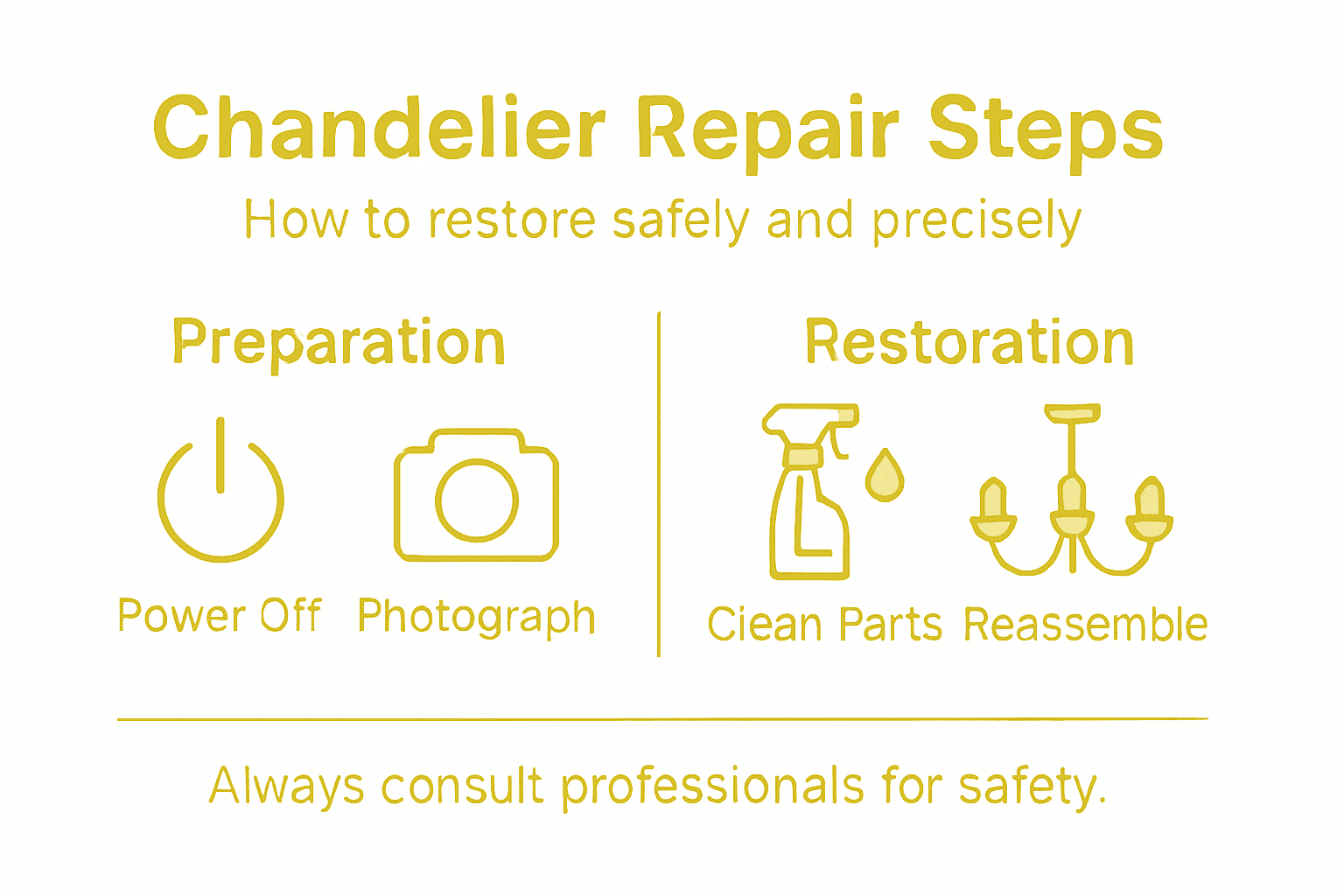
Pro tip: Create a labeled diagram during disassembly to guarantee perfect reconstruction of your chandelier.
Safety Standards and Electrical Considerations
Electrical safety is paramount when working with chandeliers, requiring meticulous attention to detail and comprehensive safety protocols. Professional-grade restoration demands a systematic approach to preventing potential hazards.
Critical Safety Precautions include:
- Complete power disconnection at main electrical panel
- Use of insulated electrical tools
- Verification of circuit breaker lockout
- Wearing appropriate personal protective equipment
- Ensuring proper workspace ventilation
Electrical Compliance Checklist:
- Inspect existing wiring for damage
- Check wire insulation integrity
- Verify proper grounding connections
- Test electrical continuity
- Ensure no exposed conductors
Proper electrical safety prevents potential life-threatening accidents during chandelier restoration.
Wiring Replacement is often necessary for older chandeliers. Modern rewiring techniques focus on reducing fire risks and meeting current electrical standards. Homeowners must replace outdated wiring with modern, properly insulated components that comply with local electrical codes.
Mounting Considerations are equally crucial for safety:
- Verify mounting hardware strength
- Check weight-bearing capacity of support structures
- Use appropriate anchoring techniques
- Ensure level and secure installation
- Select mounting hardware rated for chandelier weight
Professional electricians recommend comprehensive testing after any restoration. This includes electrical continuity checks, insulation resistance measurements, and careful visual inspection of all connections.
Pro tip: When in doubt about electrical complexities, always consult a licensed electrician to ensure complete safety during chandelier restoration.
Professional vs. DIY Repairs: What to Avoid
Chandelier restoration demands careful consideration of repair complexity and potential risks. Professional repair becomes critical in specific scenarios where technical expertise prevents irreversible damage.
High-Risk DIY Repair Scenarios include:
- Complex electrical rewiring
- Vintage or antique fixture restoration
- Structural damage requiring specialized techniques
- Intricate crystal or metal component replacement
- Preservation of historical lighting elements
Red Flags for Professional Intervention:
- Visible significant structural damage
- Complex manufacturer-specific components
- Irreplaceable historical fixtures
- High-voltage electrical complications
- Delicate restoration requirements
Amateur repairs can permanently compromise a chandelier’s value and functionality.
Antique Chandelier Considerations require extraordinary care. Specialized restoration techniques preserve authenticity and prevent potential value reduction. Professionals understand nuanced conservation methods that amateur enthusiasts might overlook.
Financial and Safety Implications of DIY repairs can be substantial:
- Potential electrical hazards
- Risk of permanent fixture damage
- Voiding manufacturer warranties
- Expensive future correction costs
- Potential reduction in collector’s value
Professional restorers bring specialized knowledge, precision tools, and comprehensive understanding of different chandelier types. They can assess structural integrity, perform detailed diagnostics, and implement conservation strategies that protect both the fixture’s functionality and historical significance.
Here’s a comparison of professional vs. DIY chandelier repair approaches:
| Aspect | Professional Repair | DIY Repair |
|---|---|---|
| Skill Level Required | Extensive, specialized | Basic to moderate |
| Typical Risks | Minimal if certified | Electrical, structural, value |
| Time Investment | Efficient and quick | Often lengthy |
| Historical Accuracy | Maintains authenticity | Risk of losing original value |
| Cost Impact | Higher upfront, fewer errors | Lower upfront, risk of costly mistakes |
| Warranty Preservation | Maintains or extends | Often voids |
Pro tip: Always photograph and document your chandelier’s condition before considering any repair to provide a clear reference for professionals.
Restore Your Chandelier’s Brilliance with Expert Quality Crystal Solutions
Facing the complexity of chandelier repair requires more than basic fixes. Whether you struggle with fragile crystal alignment, electrical safety concerns, or preserving your fixture’s timeless elegance, finding the right replacement parts and professional guidance is invaluable. The article highlights the need for precision and care in crystal restoration to maintain both beauty and safety.
At Crystal Place, we understand these challenges deeply. Our exclusive collection of authentic Swarovski crystals, chandelier parts, and specialized cleaning solutions offer homeowners and lighting professionals the assurance of quality craftsmanship. Explore our selection of crystal prisms and replacement components carefully designed to match intricate chandelier designs and restore your lighting’s full brilliance.

Don’t risk your chandelier’s value or safety by using mismatched or low-quality crystals. Visit us today at Crystal Place to find superior crystal materials and expert advice to enhance your restoration project. For guidance on selecting the perfect pieces and protecting your investment, see how we support every step of your chandelier repair journey.
Frequently Asked Questions
What is chandelier repair?
Chandelier repair is a specialized restoration process that addresses various complex issues involving the structural, electrical, and aesthetic components of chandeliers. It is essential for preserving the functionality and historical value of these elegant fixtures.
Why should I hire a professional for chandelier repair?
Hiring a professional is crucial because chandelier repair involves intricate electrical systems and delicate components that require specialized knowledge and tools. Professionals ensure safety and preserve the fixture’s integrity during restoration.
What are common issues that chandeliers face?
Common issues include electrical problems like flickering lights and loose connections, as well as maintenance challenges like crystal misalignment, tarnishing, and structural damage. Each chandelier type may have unique repair needs.
Can I perform DIY chandelier repair, and what should I consider?
While some basic maintenance tasks can be done by homeowners, complex repairs, especially those involving electrical work or vintage fixtures, should be handled by professionals to avoid risks and potential damage.
Recommended
Article generated by BabyLoveGrowth