

Discover how to choose chandelier crystal types for maximum sparkle. Learn about lead crystal, glass, acrylic, and cutting techniques that enhance home lighting elegance.
You might assume all chandelier crystals offer the same sparkle, but material composition and cutting precision create dramatic differences in light refraction and elegance. Understanding crystal types empowers you to select fixtures that genuinely enhance your home’s lighting and ambiance. This guide explores the materials, cutting techniques, durability factors, and selection strategies that transform ordinary chandeliers into stunning focal points.
Key takeaways
| Point | Details |
|---|---|
| Lead crystal delivers superior brilliance | High lead oxide content (24%-30%+) maximizes light refraction and sparkle |
| Machine cutting enhances sparkle significantly | Precision facets produce up to 40% more brilliance than hand-cut alternatives |
| Durability varies widely by material | Acrylic offers toughness with minimal sparkle; lead crystal requires careful handling |
| Selection depends on practical factors | Room size, decor style, budget, and maintenance willingness guide optimal choices |
Introduction to chandelier crystals
Chandelier crystals have evolved from luxury symbols in European palaces to accessible elegance in modern homes. These decorative elements transform residential lighting by bending and reflecting light rays into brilliant patterns that elevate any space. The quality of crystal material directly impacts how effectively your fixture enhances ambiance and creates visual interest.
Higher lead oxide content increases brilliance and weight, distinguishing premium crystals from basic glass alternatives. When light passes through well-crafted crystals, the refractive properties create rainbow effects and dynamic sparkle that plain bulbs cannot achieve. This optical magic depends entirely on material composition and manufacturing precision.
Key factors that determine crystal quality include:
- Material composition and purity levels
- Lead oxide percentage for enhanced refraction
- Cutting technique precision and facet geometry
- Surface polish quality and clarity
- Weight and density characteristics
Understanding these fundamentals helps you evaluate options and invest in crystals that deliver lasting beauty and performance.
Types of chandelier crystals: materials and optical properties
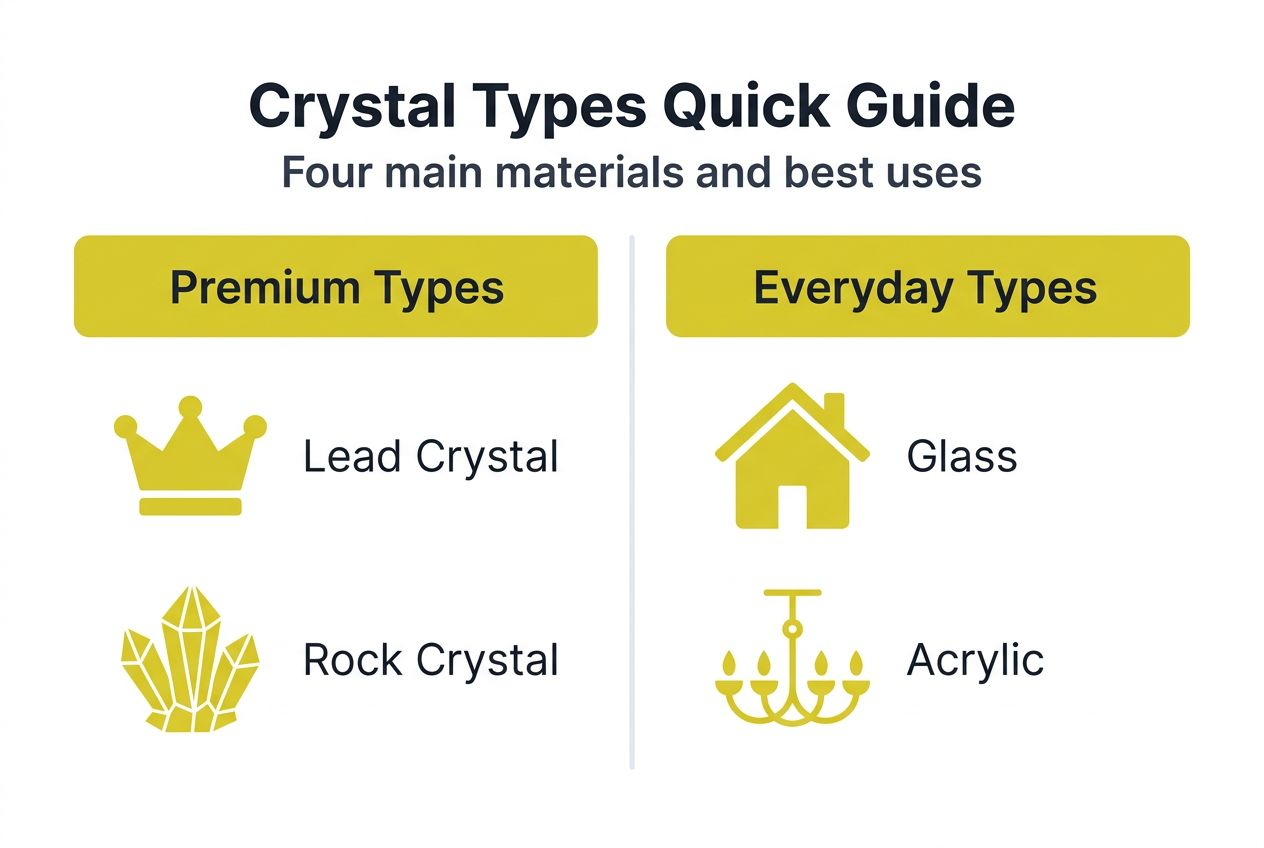
Chandelier crystals fall into four main categories, each offering distinct advantages for different applications and budgets.
Lead crystal represents the premium standard with 24% to over 30% lead oxide content that produces exceptional brilliance. The heavy molecular structure bends light more effectively than alternatives, creating intense sparkle and rainbow dispersion. Lead crystal feels noticeably heavier and produces clearer tones when gently tapped.
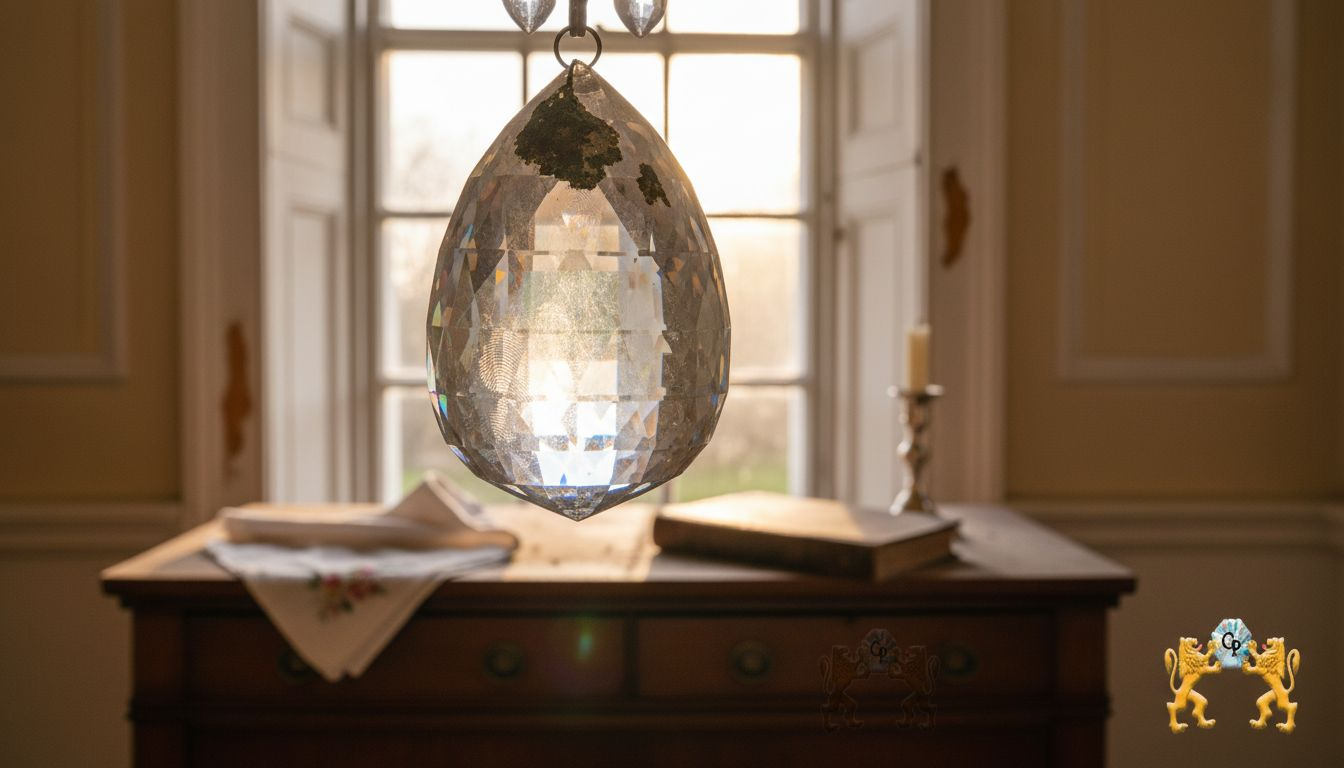
Glass crystal offers affordability and durability with lower lead content or lead-free formulations. While sparkle intensity falls below lead crystal standards, glass versions resist chips and scratches better. These crystals suit high-traffic areas where durability outweighs maximum brilliance.
Acrylic crystals are lightweight plastics that provide budget-friendly options for casual spaces. They resist breaking during installation and cleaning but lack the weight and optical depth of authentic crystal. Acrylic works well for temporary decorations or children’s spaces.
Rock crystal is natural quartz prized for unique color variations and organic beauty. Each piece displays distinct characteristics, though natural imperfections require more careful cleaning a crystal chandelier approach. Rock crystal appeals to decorators seeking one-of-a-kind statement pieces.
| Crystal Type | Sparkle Level | Weight | Durability | Price Range |
|---|---|---|---|---|
| Lead Crystal | Highest | Heavy | Moderate | $$$ |
| Glass Crystal | Good | Medium | High | $$ |
| Acrylic | Low | Light | Highest | $ |
| Rock Crystal | Variable | Heavy | Low | $$$$ |
Material selection establishes the foundation for your chandelier’s visual impact and longevity.
Cutting techniques and their impact on sparkle
How manufacturers cut and shape crystals profoundly affects light refraction and overall brilliance.
Machine-cut crystals feature sharp, precise facets that maximize sparkle through exact angles and uniform surfaces. Machine-cut Swarovski crystals produce up to 40% more sparkle than ordinary glass alternatives. Automated cutting ensures consistency across every piece, creating uniform light patterns throughout your fixture.
Hand-cut crystals showcase artisan craftsmanship with slightly softer edges and unique polishing characteristics. Each crystal displays subtle variations that add character, though sparkle intensity typically falls below machine-cut standards. Hand-cutting appeals to collectors who value traditional techniques and artisanal qualities.
Hand-blown crystals represent the rarest and most artistic options with organic shapes and minimal faceting. These pieces emphasize sculptural beauty over maximum brilliance, serving as conversation starters in contemporary spaces. Hand-blown work suits accent pieces rather than primary light sources.
Swarovski sets industry benchmarks through precision cutting and high-lead content formulations. Their patented processes create exceptionally clear crystals with consistent brilliance that maintains value over decades. When cleaning your chandelier, Swarovski crystals reward proper care with enduring sparkle.
Pro Tip: When maximum sparkle drives your decision, prioritize high-lead machine-cut crystals from reputable manufacturers like Swarovski for guaranteed brilliance.
Design flexibility and durability considerations
Crystal type significantly impacts installation requirements, structural needs, and long-term maintenance.
Lead crystal’s substantial weight and fragility requires careful installation and sturdy mounting hardware. Your chandelier frame must support the combined mass without sagging or strain. Gentle handling during cleaning prevents chips and cracks that diminish optical clarity.
Glass crystal strikes a practical balance between visual appeal and durability. Its lighter weight simplifies installation while resisting everyday bumps and cleaning impacts. Glass works well in family rooms, dining areas, and spaces with active households.
Acrylic crystals offer unmatched toughness for high-traffic areas and outdoor applications. They tolerate rough handling and temperature fluctuations without cracking. However, the plastic surface scratches more easily than glass or lead options.
Rock crystal demands more attention due to natural variations and fragility. Its unique beauty requires dedicated crystal chandelier maintenance to prevent damage and preserve clarity. Consider professional cleaning for valuable rock crystal fixtures.
| Material | Weight Category | Durability Rating | Maintenance Level | Best Use |
|---|---|---|---|---|
| Lead Crystal | Heavy | Moderate | High | Formal spaces |
| Glass Crystal | Medium | High | Medium | Family areas |
| Acrylic | Light | Highest | Low | Casual spaces |
| Rock Crystal | Heavy | Low | Highest | Showpieces |
Pro Tip: Factor your household’s activity level and cleaning schedule when selecting crystal material to ensure long-term satisfaction.
Applying crystal chandelier cleaning tips appropriate to your crystal type preserves beauty and extends fixture life.
Common misconceptions about chandelier crystals
Several widespread myths create confusion when homeowners and decorators evaluate crystal options.
-
All crystals sparkle identically regardless of composition. This falsehood ignores how lead oxide content and cutting precision dramatically affect light refraction. Premium lead crystals with machine facets sparkle far more intensely than basic glass or acrylic alternatives.
-
Lead crystals pose health hazards in residential settings. Lead oxide in chandelier crystals is safely bonded within the glass matrix and presents no toxic exposure during normal use. The lead does not leach or create airborne particles under typical home conditions.
-
Acrylic serves as a suitable substitute for high-end crystal installations. While acrylic offers durability advantages, it fundamentally lacks the weight, brilliance, and optical depth that define quality crystal chandeliers. Plastic cannot replicate authentic crystal’s light-bending properties.
-
All hand-cut crystals surpass machine-cut alternatives in quality. Machine cutting actually delivers superior sparkle through precision faceting, though hand-cut pieces offer artisanal character. Neither method universally outperforms the other across all criteria.
Clearing these misconceptions allows you to make informed decisions based on actual performance characteristics rather than assumptions.
How to choose the right chandelier crystal for your home
Selecting ideal crystals requires balancing multiple practical and aesthetic factors.
-
Assess your room dimensions to determine appropriate chandelier scale and crystal visibility. Large spaces benefit from substantial lead crystals that project sparkle across greater distances. Smaller rooms work well with glass or mixed-material approaches.
-
Define your priority between maximum brilliance, durability, and budget constraints. Lead crystal delivers unmatched sparkle but requires careful handling and higher investment. Glass provides practical compromise for active households.
-
Match cutting style to your desired effect. Machine-cut facets maximize sparkle for dramatic impact. Hand-cut or hand-blown pieces suit spaces where artistic character outweighs maximum brilliance.
-
Consider existing decor style and color palette for visual harmony. Clear crystals suit any setting, while colored rock crystal or specialty tints complement specific design themes. Matching crystal type to interior design ensures long-term satisfaction.
-
Plan realistic chandelier maintenance tips schedules based on your available time and willingness to clean regularly. Lead crystal rewards proper care with enduring beauty but demands gentle handling. Glass and acrylic tolerate less frequent attention.
-
Investigate modular crystal systems that allow future upgrades or customization. Starting with quality glass and upgrading to lead crystal later provides flexibility as budgets and preferences evolve.
Pro Tip: Request sample crystals from suppliers to directly compare sparkle, weight, and appearance in your actual lighting conditions before committing to full chandelier purchases.
Using the best cleaner for chandeliers appropriate to your crystal type maintains optimal appearance.
Maintenance best practices for lasting crystal brilliance
Proper care preserves your investment and keeps crystals sparkling for decades.
Establish cleaning schedules based on crystal type and environmental factors. Lead and rock crystals need quarterly attention in dusty conditions. Glass and acrylic tolerate semi-annual cleaning in typical indoor environments.
Use appropriate cleaning solutions that match your crystal composition. Ammonia-free formulas prevent damage to delicate lead crystal surfaces. Glass crystals tolerate slightly stronger cleaners without harm.
Handle crystals gently during removal and reinstallation to prevent chips. Remove crystals systematically and photograph placement for accurate reassembly. Work over soft surfaces to cushion any accidental drops.
Consider professional cleaning services for valuable lead or rock crystal chandeliers. Experts possess specialized tools and knowledge to safely clean intricate fixtures without damage. Regular, appropriate cleaning is essential for maintaining value.
Key maintenance practices include:
- Dusting crystals monthly with soft microfiber cloths
- Deep cleaning quarterly or semi-annually depending on conditions
- Inspecting mounting hardware for loose connections
- Replacing damaged crystals promptly to maintain uniform appearance
- Storing spare crystals in protective packaging
Pro Tip: Light, frequent dusting prevents heavy buildup that requires aggressive cleaning, reducing damage risk and extending crystal life.
Explore efficient crystal chandelier cleaning methods and quality best chandelier cleaners to simplify maintenance. Professional products like brilliante crystal chandelier cleaning solutions deliver superior results with minimal effort.
Conclusion: elevate your home lighting with the right crystal choice
Selecting appropriate chandelier crystals transforms ordinary lighting into elegant focal points that enhance your entire space. Lead crystal delivers unmatched brilliance through high lead oxide content and precision cutting, while glass offers durability for active homes. Acrylic provides budget-friendly toughness, and rock crystal adds unique natural beauty.
Quality cutting techniques, especially machine faceting, maximize sparkle and light refraction. Regular maintenance preserves crystal clarity and protects your investment over decades. By matching crystal type to your room size, decor style, budget, and maintenance willingness, you create stunning lighting that reflects your taste and enhances daily living.
Invest in authentic crystals from reputable sources to ensure lasting beauty and performance. Your informed choice will reward you with brilliant light and timeless elegance for years to come.
Explore elegant chandelier crystals and care solutions
Ready to enhance your home with stunning crystal lighting? Our curated selection includes premium lead crystal, durable glass options, and authentic Swarovski pieces that deliver exceptional sparkle. Browse crystal prisms for chandeliers to find the perfect match for your decor style and lighting needs.
Customize your fixtures with crystal suncatchers and ornaments that add personalized touches to any room. Maintain that showroom sparkle effortlessly with professional-grade brilliante crystal chandelier cleaner formulated specifically for delicate crystal surfaces. We offer expert guidance, quality products, and reliable service to help you create the elegant lighting your home deserves.
Frequently asked questions about chandelier crystals
What crystal type offers the brightest sparkle for chandeliers?
Lead crystal with 24%-30% lead oxide and machine cutting produces the most brilliant sparkle. High-quality Swarovski crystals exemplify this superior standard. The combination of lead content and precision facets maximizes light refraction for stunning visual impact.
How often should I clean my chandelier crystals to maintain brilliance?
Cleaning every 3-6 months keeps most crystals sparkling in typical home environments. Lead crystal may require gentler products and more frequent attention. Dusty conditions or high-traffic areas demand quarterly cleaning, while protected spaces tolerate semi-annual schedules. Explore crystal chandelier cleaning methods tailored to your crystal type.
Are lead crystals safe to use in homes with children?
Lead oxide in chandelier crystals is chemically bonded and poses no health risk during normal use. The lead remains stable within the glass matrix and does not leach or create toxic exposure. Standard cleaning and handling present no hazards to children or adults in residential settings.
Can acrylic crystals be upgraded later to glass or lead crystals?
Many chandelier designs allow crystal swapping, enabling you to upgrade from acrylic to higher-quality glass or lead options. Replacing individual crystals boosts sparkle and elegance without buying an entirely new fixture. Verify compatibility with your specific chandelier model before purchasing replacement crystals to ensure proper fit and appearance.
What’s the best way to identify authentic lead crystal versus glass?
Authentic lead crystal feels noticeably heavier and produces clearer, more brilliant sparkle than glass alternatives. Request lead oxide content documentation or manufacturer certifications when purchasing. Reputable suppliers provide detailed specifications verifying crystal composition and quality standards. Check safe crystal chandelier cleaning resources to maintain your investment properly.
Recommended
- Clear Crystal Prisms for Chandeliers: Buy Right – CrystalPlace
- Role of Chandelier Crystals: Enhancing Light and Elegance – CrystalPlace
- Chandelier crystals: 40% more sparkle with quality cuts – CrystalPlace
- What Crystals Are Used in Chandeliers? – CrystalPlace